top of page


Balanced, Protected, and Informed O&M for Active Daily Living
Dr. Grace Ambrose-Zaken


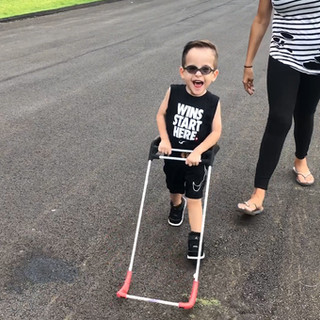
The Benefits of Pediatric Belt Canes
Safety is paramount when it comes to overseeing the education and play of young children. The Pediatric Belt Cane plays a crucial role in reducing risks associated with immature cane handling. When a cane is dropped or misplaced, the child may be vulnerable to tripping or losing orientation. The belt eliminates these hazards by keeping the cane firmly attached.
Grace Ambrose-Zaken
Nov 24, 2025


1960s Part 2: O&M Goes to School
The entire field of orientation and mobility (O&M) exists because of the dog guide and, later, the long cane. Both were developed in response to war. Dog guides emerged after World War I, and the long cane after World War II, to serve newly blinded veterans—adults who had walked confidently with vision for decades before losing it. As a result, the curriculum for teaching independent travel was designed around a very specific learner: a physically fit, cognitively intact adul
Grace Ambrose-Zaken
Apr 6, 2025


1960s Part 1: Prerequisites to Long Cane Safety
History of O&M describes the long, slow, tortured road of retro-fitting adult long canes and O&M methods for children.
Grace Ambrose-Zaken
Apr 5, 2025


History of Early Intervention O&M: The First Half of the Twentieth Century
Teaching blind children before long canes were invented shows why we believe bruises are instructional for blind babies.
Grace Ambrose-Zaken
Mar 23, 2024
bottom of page