top of page


Balanced, Protected, and Informed O&M for Active Daily Living
Dr. Grace Ambrose-Zaken


A Person, a Dog, or a Long Cane: Why Blind Mobility Needs a New Generation of Tools to Choose From
We now have the materials, manufacturing technologies, engineering tools, and knowledge of human movement to explore mobility solutions that were difficult to imagine—or difficult to build—generations ago. So perhaps the next generation of blind mobility shouldn't be about choosing between a person, a dog, or a long cane. Perhaps it should be about creating more choices. Because the future of blind mobility should not be limited by the tools that were invented before today's
Grace Ambrose-Zaken
Sep 30


1960s Part 2: O&M Goes to School
The entire field of orientation and mobility (O&M) exists because of the dog guide and, later, the long cane. Both were developed in response to war. Dog guides emerged after World War I, and the long cane after World War II, to serve newly blinded veterans—adults who had walked confidently with vision for decades before losing it. As a result, the curriculum for teaching independent travel was designed around a very specific learner: a physically fit, cognitively intact adul
Grace Ambrose-Zaken
Apr 6, 2025


1960s Part 1: Prerequisites to Long Cane Safety
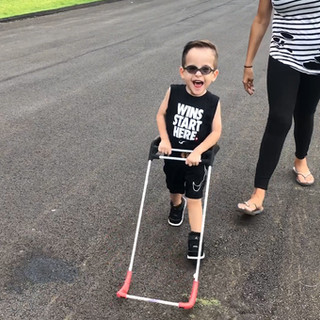
History of O&M describes the long, slow, tortured road of retro-fitting adult long canes and O&M methods for children.
Grace Ambrose-Zaken
Apr 5, 2025
bottom of page