top of page


Balanced, Protected, and Informed O&M for Active Daily Living
Dr. Grace Ambrose-Zaken


The William G. and Helen C. Hoffman Foundation Renews Support for Safe Toddles with a $30,000 Grant to Advance Early Mobility for Blind Children
Safe Toddles receives a $30,000 grant from the William G. and Helen C. Hoffman Foundation—their second year of support—to expand early mobility access for blind children through Pediatric Belt Canes, training, and family outreach.
Beaux Jettson
Oct 10, 2025


🧭 It’s Not Orientation, It’s Mobility: A Thought Experiment for Parents of Blind Children
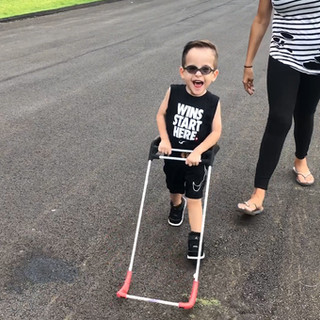
Most people assume blind children don’t know where they are — but the real challenge isn’t orientation, it’s mobility. In this eye-opening thought experiment, you’ll discover how blind kids can confidently know their space, yet still need tools like the white cane to move safely. Try it yourself: close your eyes, navigate your home, and gain a deeper understanding of what your child truly experiences.
Grace Ambrose-Zaken
Sep 29, 2025


1960s Part 2: O&M Goes to School
The entire field of orientation and mobility (O&M) exists because of the dog guide and, later, the long cane. Both were developed in response to war. Dog guides emerged after World War I, and the long cane after World War II, to serve newly blinded veterans—adults who had walked confidently with vision for decades before losing it. As a result, the curriculum for teaching independent travel was designed around a very specific learner: a physically fit, cognitively intact adul
Grace Ambrose-Zaken
Apr 6, 2025


The Origins of Orientation and Mobility: From Symbolism to Safety
Discover the fascinating origin story of orientation and mobility (O&M) for children born with visual impairments. From early pre-cane skills to the invention of the long cane, learn how blind children and WWII veterans shaped safe independent mobility, and why early intervention transformed the way blind toddlers learn to navigate their world.
Grace Ambrose-Zaken
Apr 28, 2024
bottom of page