top of page


Balanced, Protected, and Informed O&M for Active Daily Living
Dr. Grace Ambrose-Zaken


🚨 ALERT! The Definition of an AMD Has Changed
And if you work with blind babies and toddlers, you need to know what this means. There is something buried in the newest edition of Foundations of Orientation and Mobility that parents of blind children—and the professionals serving them—should pay attention to. Mobility tools made easy for blind kids are used in more places. The 4th edition of Foundations of Orientation and Mobility, published in 2024, is presented as a major professional reference for O&M students and prac
Grace Ambrose-Zaken
Sep 5

How Video Helps
Use one short summer video to document your blind child’s O&M skills, show how the Belt Cane supports safer travel, and ask your IEP or IFSP team to put assistive technology, training, and measurable mobility goals in writing.
Grace Ambrose-Zaken
Jul 24


When Blindness Is Mistaken for “Behavior”: Why Blind Children With Intellectual Disabilities Need More Touch Feedback, Not Less
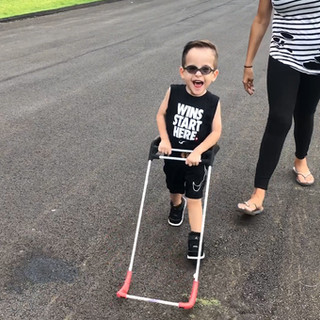
Maddox began using the Belt Cane at age 2. This short shows his progression toward independent mobility, including walking confidently through familiar environments, navigating school routines, and getting on and off the school bus—even in snowy conditions. Despite intellectual delays, he demonstrates strong spatial understanding and real-world independence through consistent tactile feedback and early mobility support.
Grace Ambrose-Zaken
May 9
bottom of page