top of page


Balanced, Protected, and Informed O&M for Active Daily Living
Dr. Grace Ambrose-Zaken


Why Walking Success in Blind Children Should Be Boring
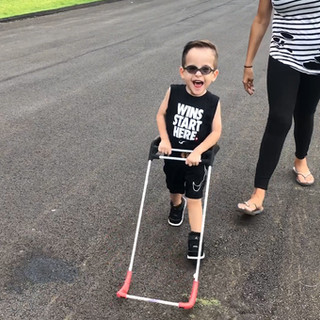
Walking is one of the most celebrated milestones of childhood—and one of the first achievements we immediately take for granted. For blind children, however, independent walking has historically been delayed and often attributed to blindness itself. What happens when young children with blindness gain access to extended touch feedback that provides information about the world ahead of them? The answer may be surprisingly ordinary: walking becomes effortless, natural, and almo
Grace Ambrose-Zaken
Jun 2


When Blindness Is Mistaken for “Behavior”: Why Blind Children With Intellectual Disabilities Need More Touch Feedback, Not Less
Maddox began using the Belt Cane at age 2. This short shows his progression toward independent mobility, including walking confidently through familiar environments, navigating school routines, and getting on and off the school bus—even in snowy conditions. Despite intellectual delays, he demonstrates strong spatial understanding and real-world independence through consistent tactile feedback and early mobility support.
Grace Ambrose-Zaken
May 9
bottom of page