top of page


Balanced, Protected, and Informed O&M for Active Daily Living
Dr. Grace Ambrose-Zaken


Stop Underestimating Blind Kids
Touch is the sense that blind children use to learn about their world. Blindness/mobility visual impairment accesses same information through touch. And when we don't extend their touch, we risk underestimating what they can truly do.
Grace Ambrose-Zaken
Sep 24


Pop the Bubble Wrap: Why the Pediatric Belt Cane Makes Summer More Fun for Blind Kids
Excerpt: Want blind kids to take off the bubble wrap this summer? Start with what actually helps: a Pediatric Belt Cane, movement-rich play, and a healthy respect for touch as the star of the show.
Grace Ambrose-Zaken
May 27


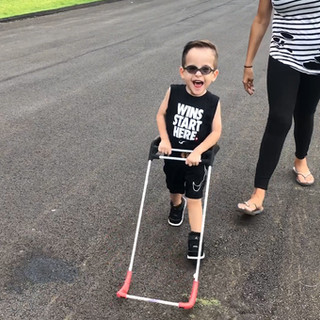
Thankful for Pediatric Belt Canes Supporting Early Mobility
Mobility tools for children with visual impairments or blindness are tailored to their unique needs. Unlike adult devices, pediatric tools consider size, weight, and the developmental stage of the child. The Pediatric Belt Cane is a perfect example. It’s lightweight, easy to handle, and designed for children.
Grace Ambrose-Zaken
Nov 28, 2025


🧭 It’s Not Orientation, It’s Mobility: A Thought Experiment for Parents of Blind Children
Most people assume blind children don’t know where they are — but the real challenge isn’t orientation, it’s mobility. In this eye-opening thought experiment, you’ll discover how blind kids can confidently know their space, yet still need tools like the white cane to move safely. Try it yourself: close your eyes, navigate your home, and gain a deeper understanding of what your child truly experiences.
Grace Ambrose-Zaken
Sep 29, 2025


1960s Part 2: O&M Goes to School
The entire field of orientation and mobility (O&M) exists because of the dog guide and, later, the long cane. Both were developed in response to war. Dog guides emerged after World War I, and the long cane after World War II, to serve newly blinded veterans—adults who had walked confidently with vision for decades before losing it. As a result, the curriculum for teaching independent travel was designed around a very specific learner: a physically fit, cognitively intact adul
Grace Ambrose-Zaken
Apr 6, 2025
bottom of page