


Thankful for Pediatric Belt Canes Supporting Early Mobility
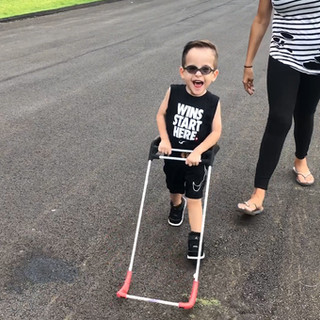
When a child faces challenges with vision, every step they take is a step toward independence. As someone who has seen the transformative power of the right tools, I can tell you that a pediatric mobility tool can make all the difference. Among these tools, the Pediatric Belt Cane stands out as a practical, empowering device designed specifically for young users. It’s not just a cane; it’s a bridge to confidence, safety, and freedom.
Understanding the Pediatric Mobility Tool: What It Is and Why It Matters
Mobility tools for children with visual impairments or blindness are tailored to their unique needs. Unlike adult devices, pediatric tools consider size, weight, and the developmental stage of the child. The Pediatric Belt Cane is a perfect example. It’s lightweight, easy to handle, and designed for children.
Why is this important? Because children are naturally curious and eager to explore. They need a tool that supports their movement without holding them back. The Pediatric Belt Cane offers that support by providing tactile feedback and helping the child detect obstacles, changes in terrain, and steps. It’s a safety net that encourages exploration.
Imagine a child walking through a park. The cane taps gently on the ground, alerting them to a curb or a patch of grass. This simple action builds spatial awareness and confidence. It’s like giving them a sixth sense for navigation.

How the Pediatric Belt Cane Supports Young Mobility
The Pediatric Belt Cane is more than just a walking stick. It’s a carefully engineered tool that combines functionality with comfort. Here’s how it supports young mobility:
Lightweight Design: Children can wear it without fatigue, encouraging longer use.
Ergonomic Belt: Structured belt makes it easy to grip and maneuver the cane frame.
Durable Materials: Built to withstand the active lifestyle of children.
Safety Features: Reflective white cane rods, omni wheel tips glide over most surfaces.
Using the Pediatric Belt Cane helps children develop essential skills like orientation and mobility. It teaches them to listen to the sound of the cane tapping, feel the texture of the ground, and anticipate obstacles. This sensory input is crucial for building independence.
If you’re wondering how to introduce this tool to a child, start today. The sooner you provide them with the protective cane arc the more thankful they will be. Let the child get used to feeling constant touch feedback filling in the holes left by their blindness. Celebrate small victories. Remember, once you help them understand how the frame protects them, they will be glad to wear it all day long.

Who Qualifies for a White Cane?
Not every child with a visual impairment needs a white cane, but many do benefit from it. The white cane is a symbol of independence and a practical tool for navigation. So, who qualifies?
Children with a Mobility Visual Impairment: Those who cannot rely on vision alone to navigate safely.
Children with Total Blindness: The cane becomes their primary tool for detecting obstacles.
Children Developing Orientation and Mobility Skills: Early introduction can foster confidence and skill-building.
Children with Additional Mobility Challenges: The cane can complement other aids to improve safety.
A professional orientation and mobility specialist usually assesses the child’s needs. They consider factors like the child’s age, vision level, motor skills, and environment. The goal is to provide the right tool at the right time.
Introducing a white cane, such as the Pediatric Belt Cane, is a milestone. It signals a step toward autonomy. It’s important to support the child emotionally and practically during this transition.
Practical Tips for Using the Pediatric Belt Cane Effectively
Using a Pediatric Belt Cane effectively requires consistent use and guidance. Here are some actionable tips to help children and caregivers make the most of this tool:
When the lights are on, the Pediatric Belt Cane is on: Wear during all activities of daily living.
Learn Cane Technique Thru Teachable Moments: Show how to investigate surfaces and obstacles with the cane frame.
Encourage Regular Use: Consistency builds muscle memory and confidence.
Incorporate Games: Turn practice into fun activities to keep the child engaged.
Maintain the Cane: Check for wear and tear regularly to ensure safety.
Seek Professional Support: Work with orientation and mobility specialists for personalized training.
Remember, the goal is to empower the child through safe mobility. Celebrate progress, no matter how small. The Pediatric Belt Cane is a tool for growth, not just mobility.
Embracing Independence: The Journey with a Pediatric Mobility Tool
Watching a child gain independence with a pediatric mobility tool is inspiring. It’s a journey filled with challenges and triumphs. The Pediatric Belt Cane is a companion on this path, offering support and confidence.
If you’re considering this tool, explore options and consult experts. The right fit can transform a child’s experience. And don’t forget to encourage the child’s spirit of adventure. After all, every step they take is a victory.
For those ready to take the next step, the belt cane is available and designed specifically for young users. It’s a small investment with a big impact.
Empower your young explorer today. Let them discover the world with confidence, one step at a time.


Comments