top of page


Balanced, Protected, and Informed O&M for Active Daily Living
Dr. Grace Ambrose-Zaken

Why Are We Celebrating Each Step after the age of 2? Rethinking Potential of Blind Toddlers
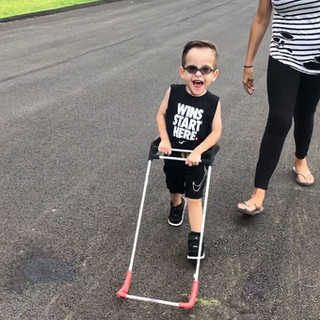
When a sighted baby begins to stand and walk, vision provides an enormous amount of information about the environment. The baby can see where the furniture is, anticipate what is coming. MVI/B children without a mobility tool leading the way are connected only by what they are in contact with ...often just their two feet touching the ground, just like a sighted baby. But those two feet do not provide visual information about what is ahead. extended touch feedback to anticipat
Grace Ambrose-Zaken
Nov 2


Freedom to Explore: Supporting Children with a Mobility Visual Impairment/blind
Freedom means having room to move. Learn how the Pediatric Belt Cane gives blind children the touch information they need for safe, independent mobility.
Grace Ambrose-Zaken
Jun 23


When Blindness Is Mistaken for “Behavior”: Why Blind Children With Intellectual Disabilities Need More Touch Feedback, Not Less
Maddox began using the Belt Cane at age 2. This short shows his progression toward independent mobility, including walking confidently through familiar environments, navigating school routines, and getting on and off the school bus—even in snowy conditions. Despite intellectual delays, he demonstrates strong spatial understanding and real-world independence through consistent tactile feedback and early mobility support.
Grace Ambrose-Zaken
May 9
bottom of page