top of page


Balanced, Protected, and Informed O&M for Active Daily Living
Dr. Grace Ambrose-Zaken


A Person, a Dog, or a Long Cane: Why Blind Mobility Needs a New Generation of Tools to Choose From
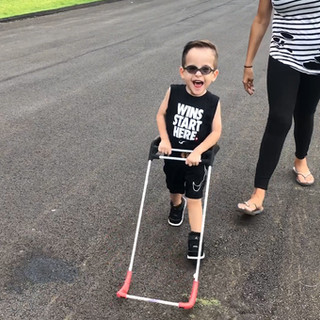
We now have the materials, manufacturing technologies, engineering tools, and knowledge of human movement to explore mobility solutions that were difficult to imagine—or difficult to build—generations ago. So perhaps the next generation of blind mobility shouldn't be about choosing between a person, a dog, or a long cane. Perhaps it should be about creating more choices. Because the future of blind mobility should not be limited by the tools that were invented before today's
Grace Ambrose-Zaken
Sep 30
Greater Expectations: When a Blind Toddler’s Walking Delay Is Easy to Miss
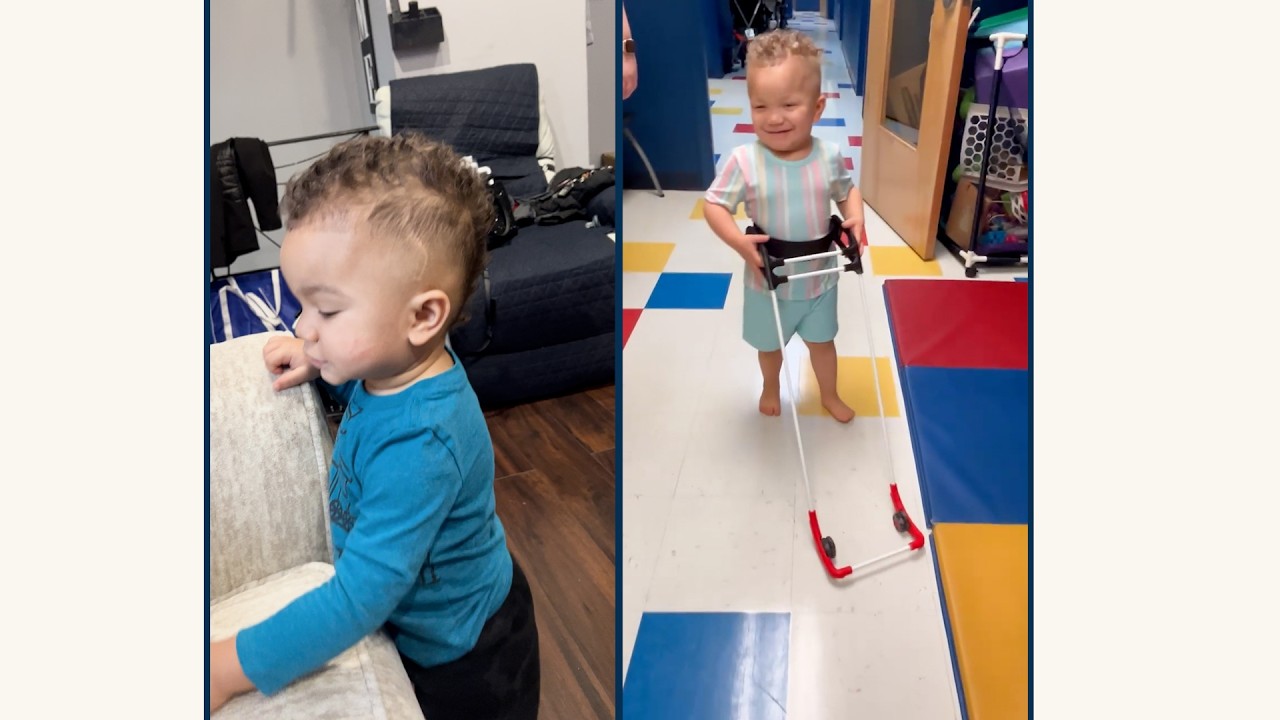
A blind toddler may walk quickly to a couch, wall, or helping hand and still be delayed in independent mobility. Our new YouTube video helps parents and professionals look beyond speed and recognize when a child is missing the information needed to move safely through open space.
Grace Ambrose-Zaken
Sep 8


The True Cost of Waiting: What Happens When a Blind Baby Has No Mobility Tool?
The first article in “The Cost of Waiting,” a series examining what happens when we fail to invest in appropriate mobility technology for young children with a mobility visual impairment or blindness.
Grace Ambrose-Zaken
Sep 3


Why Belt Canes Instead of Handheld Canes for Young Blind Children?
Why wait for a young blind child to master a handheld cane? Learn how the Belt Cane provides body-centered tactile feedback while children are learning to walk and explore independently.
Grace Ambrose-Zaken
Aug 9


Why Walking Success in Blind Children Should Be Boring
Walking is one of the most celebrated milestones of childhood—and one of the first achievements we immediately take for granted. For blind children, however, independent walking has historically been delayed and often attributed to blindness itself. What happens when young children with blindness gain access to extended touch feedback that provides information about the world ahead of them? The answer may be surprisingly ordinary: walking becomes effortless, natural, and almo
Grace Ambrose-Zaken
Jun 2


Empowering Exploration: The Role of the Pediatric Belt Cane in Summer Adventures for Children with an MVI/B
At the heart of mobility development is the idea that children with an MVI/B learn best by living mobility.
Grace Ambrose-Zaken
May 20


Discover Exciting Activities for Children with Visual Impairments in the Safe Toddles Summer Blog Series 2026
Summer is a perfect time for children to explore, play, and learn through new experiences. For children with visual impairments or blindness who are now mobile using the Pediatric Belt Cane, finding engaging and accessible activities can be a challenge. The Safe Toddles Summer Blog Series 2026 is designed to fill this gap by offering weekly posts filled with fun activities, games, and challenges tailored specifically for children with visual, cognitive and motor impairments
Grace Ambrose-Zaken
May 20


Celebrate Mother's Day with Our Heartwarming Video and Support a Great Cause
Mother’s Day is a special time to honor the incredible role mothers play in our lives. This year, we invite you to experience a touching video that captures the essence of motherhood. The video shows mothers around the world helping their blind children with Belt Canes, simple yet powerful moments that highlights a mother's care, patience, and love.
Grace Ambrose-Zaken
May 9


When Blindness Is Mistaken for “Behavior”: Why Blind Children With Intellectual Disabilities Need More Touch Feedback, Not Less
Maddox began using the Belt Cane at age 2. This short shows his progression toward independent mobility, including walking confidently through familiar environments, navigating school routines, and getting on and off the school bus—even in snowy conditions. Despite intellectual delays, he demonstrates strong spatial understanding and real-world independence through consistent tactile feedback and early mobility support.
Grace Ambrose-Zaken
May 9


Why Does a Blind Child Need a White Cane Arc for Safety, and what is it?
The white cane arc is an essential tool for anyone with a mobility visual impairment or blindness (MVI/B). Yet, children with an MVI/B struggle to even hold the long cane much less sweep it back and forth with each step. Children can push a static white cane arc in front of them. The static white cane arc is when it is built into the device.
Grace Ambrose-Zaken
Sep 9, 2025
bottom of page