top of page


Balanced, Protected, and Informed O&M for Active Daily Living
Dr. Grace Ambrose-Zaken


Freedom to Explore: Supporting Children with a Mobility Visual Impairment/blind
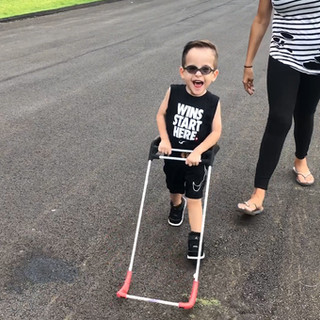
Freedom means having room to move. Learn how the Pediatric Belt Cane gives blind children the touch information they need for safe, independent mobility.
Grace Ambrose-Zaken
Jun 23


Personal Space for Blind Toddlers: The Independence We Rarely Talk About
Summer gives children endless chances to practice social skills at playgrounds, splash pads, family gatherings, camps, and neighborhood playdates. One of the earliest social skills children learn in these moments is personal space: how close to stand, when to move closer, and when to step back. Personal space through mobility tools for social engagement is rarely discussed but incredibly important part of participating alongside your peers, not physically touching—alongside.
Grace Ambrose-Zaken
Jun 16


Why Walking Success in Blind Children Should Be Boring
Walking is one of the most celebrated milestones of childhood—and one of the first achievements we immediately take for granted. For blind children, however, independent walking has historically been delayed and often attributed to blindness itself. What happens when young children with blindness gain access to extended touch feedback that provides information about the world ahead of them? The answer may be surprisingly ordinary: walking becomes effortless, natural, and almo
Grace Ambrose-Zaken
Jun 2


Discover Exciting Activities for Children with Visual Impairments in the Safe Toddles Summer Blog Series 2026
Summer is a perfect time for children to explore, play, and learn through new experiences. For children with visual impairments or blindness who are now mobile using the Pediatric Belt Cane, finding engaging and accessible activities can be a challenge. The Safe Toddles Summer Blog Series 2026 is designed to fill this gap by offering weekly posts filled with fun activities, games, and challenges tailored specifically for children with visual, cognitive and motor impairments
Grace Ambrose-Zaken
May 20


What Blind Children Are Really Feeling When You Say “Take That Thing Off Her”: Why Extended Touch Feedback for Blind Children Matters
A viral video of a three-year-old girl climbing independently with a Pediatric Belt Cane sparked both praise and criticism online. But the backlash reveals a deeper societal bias: blind children have historically been denied the extended touch feedback they need for safe, confident, independent movement. This article explains why the Belt Cane is not “too much touch” — it is the equivalent of turning on the lights for a child who cannot rely on vision.
Grace Ambrose-Zaken
May 19
bottom of page