top of page


Balanced, Protected, and Informed O&M for Active Daily Living
Dr. Grace Ambrose-Zaken
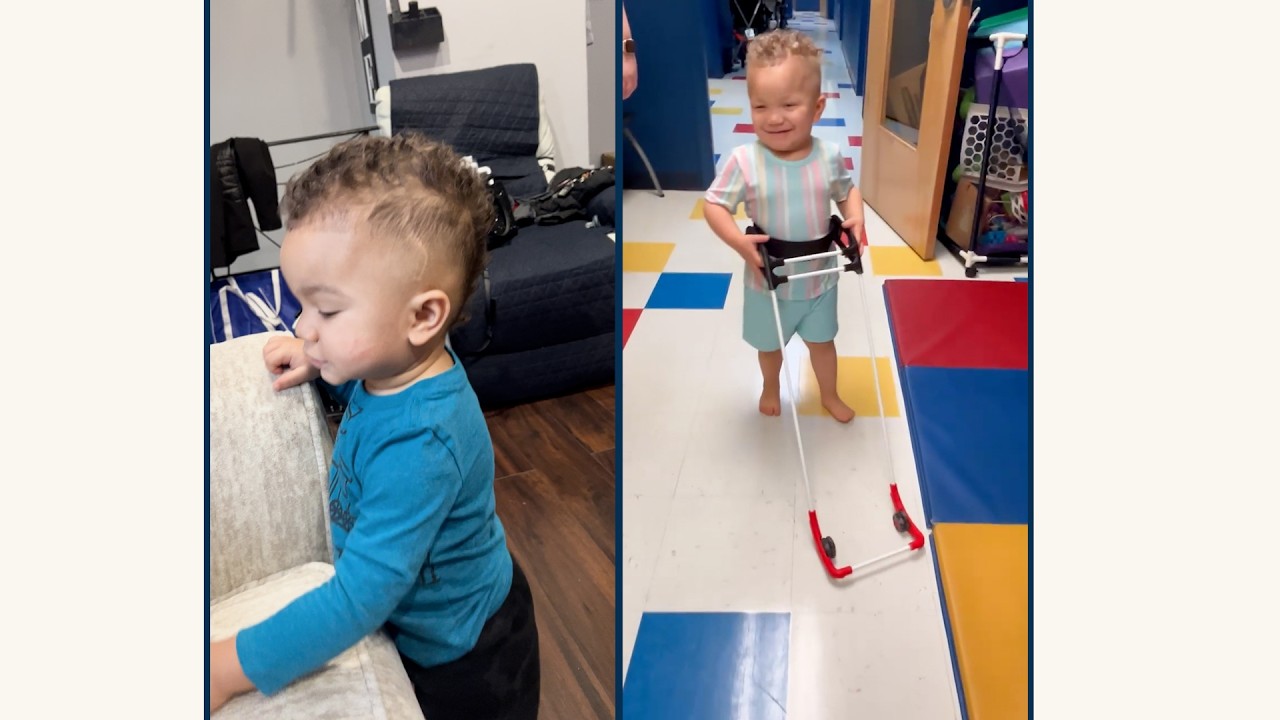
Greater Expectations: When a Blind Toddler’s Walking Delay Is Easy to Miss
A blind toddler may walk quickly to a couch, wall, or helping hand and still be delayed in independent mobility. Our new YouTube video helps parents and professionals look beyond speed and recognize when a child is missing the information needed to move safely through open space.
Grace Ambrose-Zaken
Sep 8

When does a child need a mobility device?
When deciding whether a blind child needs a mobility device, are we asking the right questions? A clearer developmental framework starts with the child's need for protection and environmental information—not motivation, cane failure, social acceptability, or other unnecessary barriers.
Grace Ambrose-Zaken
Sep 1


Why Belt Canes Instead of Handheld Canes for Young Blind Children?
Why wait for a young blind child to master a handheld cane? Learn how the Belt Cane provides body-centered tactile feedback while children are learning to walk and explore independently.
Grace Ambrose-Zaken
Aug 9


The Protected Next Step: How the Belt Cane Builds Self-Reliant Walking in MVI/B Children
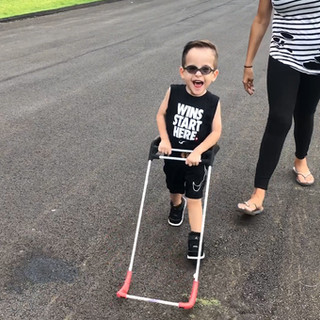
The Belt Cane’s rectangular frame protects the space directly in front of a blind child before the child’s body enters it. This protected next step can change mobility from hand-holding and collisions to safer, more confident independent movement.
Grace Ambrose-Zaken
Jul 31
bottom of page