top of page


Balanced, Protected, and Informed O&M for Active Daily Living
Dr. Grace Ambrose-Zaken


Fall Is Full of Places to Go
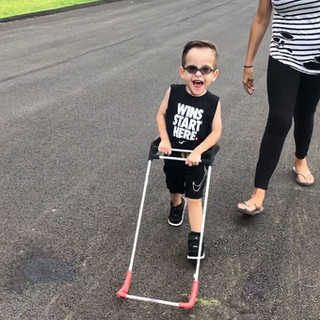
Learning self-reliant travel is more fun and rewarding with the Belt Cane. Fall gives children with a mobility visual impairment or blindness (MVI/B) so many reasons to get up and move. There are pumpkins to find, leaves to crunch, playgrounds to visit, school activities to attend, friends and family to see, and new places to discover.
Grace Ambrose-Zaken
Oct 6


Stop Underestimating Blind Kids
Touch is the sense that blind children use to learn about their world. Blindness/mobility visual impairment accesses same information through touch. And when we don't extend their touch, we risk underestimating what they can truly do.
Grace Ambrose-Zaken
Sep 24
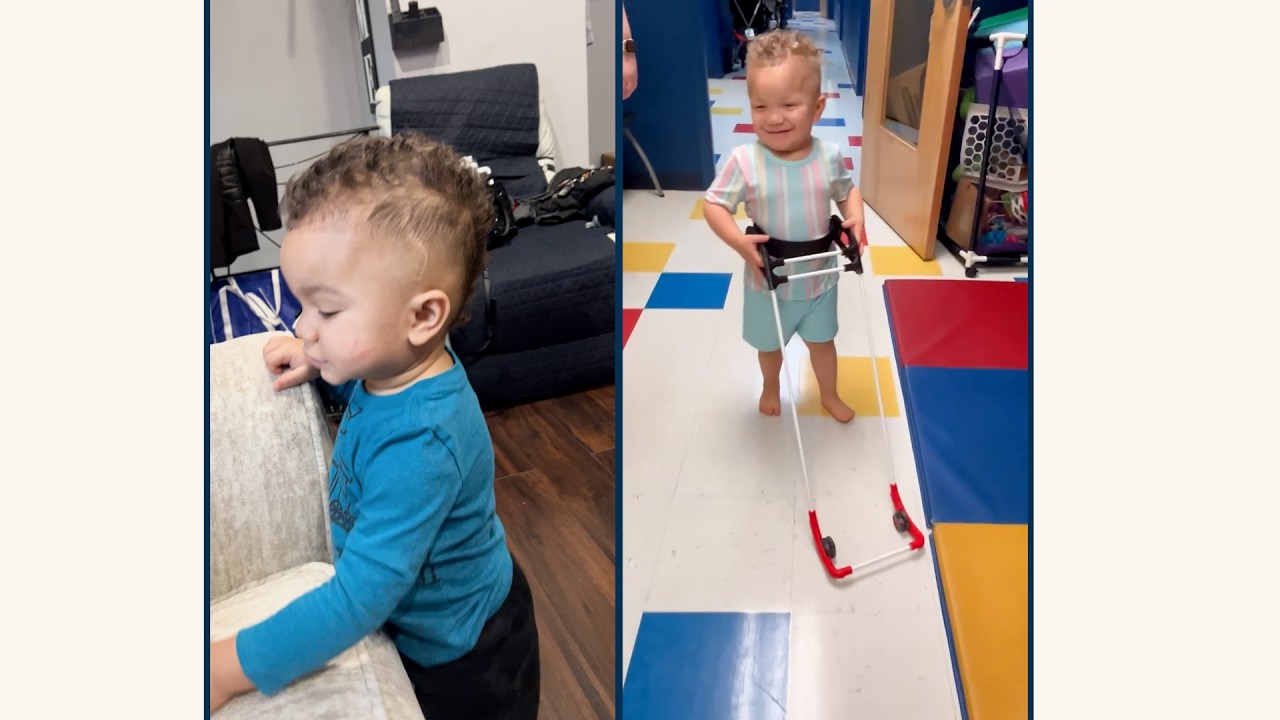
Greater Expectations: When a Blind Toddler’s Walking Delay Is Easy to Miss
A blind toddler may walk quickly to a couch, wall, or helping hand and still be delayed in independent mobility. Our new YouTube video helps parents and professionals look beyond speed and recognize when a child is missing the information needed to move safely through open space.
Grace Ambrose-Zaken
Sep 8


The Protected Next Step: How the Belt Cane Builds Self-Reliant Walking in MVI/B Children
The Belt Cane’s rectangular frame protects the space directly in front of a blind child before the child’s body enters it. This protected next step can change mobility from hand-holding and collisions to safer, more confident independent movement.
Grace Ambrose-Zaken
Jul 31
bottom of page