


Fall Is Full of Places to Go
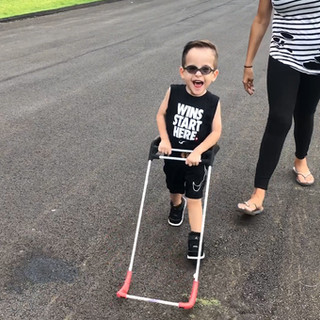
Learning self-reliant travel is more fun and rewarding with the Belt Cane.
Fall gives children with a mobility visual impairment or blindness (MVI/B) so many reasons to get up and move. There are pumpkins to find, leaves to crunch, playgrounds to visit, school activities to attend, friends and family to see, and new places to discover.

For young children with an MVI/B, these activities are much more accessible and self-reliance is easier to attain when wearing their white cane.
There are opportunities inside and out to learn routes, practice mobility skills, and experience the reward of getting somewhere on their own.
The destination can be the motivation.
Young children learn through repetition, experience, and motivation.
A route to the bathroom is important.
A route to the kitchen is fun especially when it involves chocolate chip cookies.
But a route to the pumpkin patch to pick the biggest pumpkin?
That can be exciting.
A route to the swings at the local playground?
Let's go!
A route to find the Halloween decorations that say spooking things?
Even better.
When a child with an MVI/B has somewhere meaningful or fun to go, the route itself becomes part of the experience.
The child isn't simply practicing walking.
They are walking to something they want.

Fall is full of natural mobility opportunities.
Consider your next visit to a pumpkin patch.
A child with an MVI/B can learn the landmarks needed to follow a route from the car to the entrance.
Surface changes and textures can help define the path to walk from the entrance to the pumpkins.
They can walk among the pumpkins and guess the size and weight by tracing them from the ground to the top with the cane frame and omni wheel tips before attempting to reach down to lift them up and check their calculations.
Keeping track of landmarks and clues, they can participate in planning the route to return to the entrance or the "meeting spot" the group chose before going in search of their perfect pumpkin. Every family trip provides another opportunity to learn how to use information for self-reliant travel.
And with the Pediatric Belt Cane, the child with an MVI/B receives extended touch feedback about the environment ahead while moving through the route.
That information can help the MVI/B child respond to environmental changes as they walk, rather than relying entirely on an adult to tell them what is ahead.
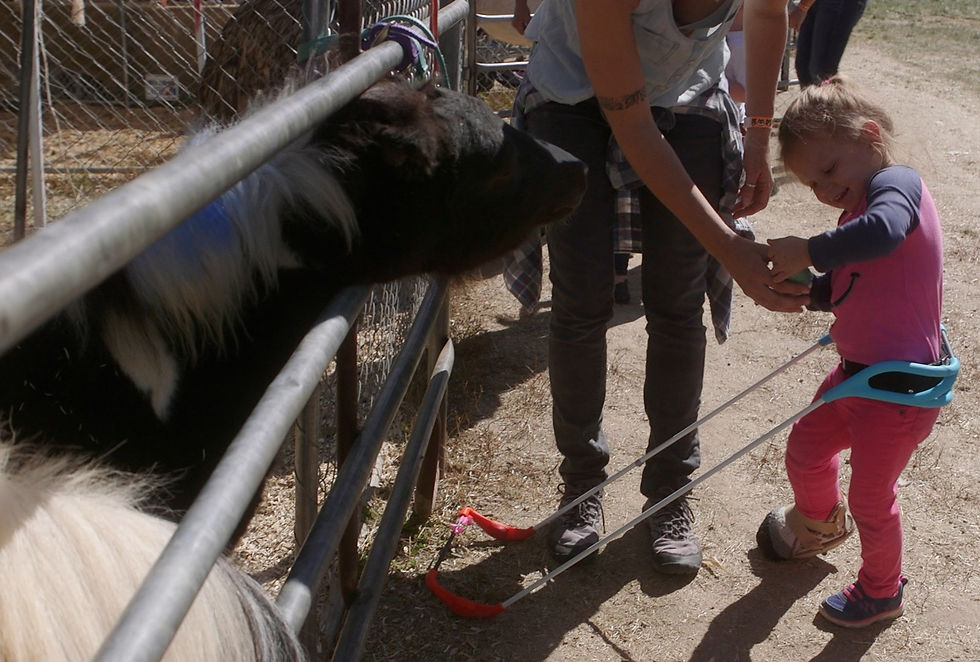
The fun is part of the learning.
For young children, we don't need to separate "mobility training" from childhood.
Navigating to, in, around the playground can be the mobility lesson.
Finding the right pumpkin in the patch can be the mobility lesson.
Walking to the right spot to pick up the tray in the cafeteria can be the mobility lesson.
Going to find Mom or Dad to tell them some important news can be the mobility lesson.
Walking to the front door because someone rang the bell can be the mobility lesson.
The destination provides the reason/fun to move.
The route provides the opportunity to practice.
And repeated successful travel provides the experience of "I can get there."
That is powerful.
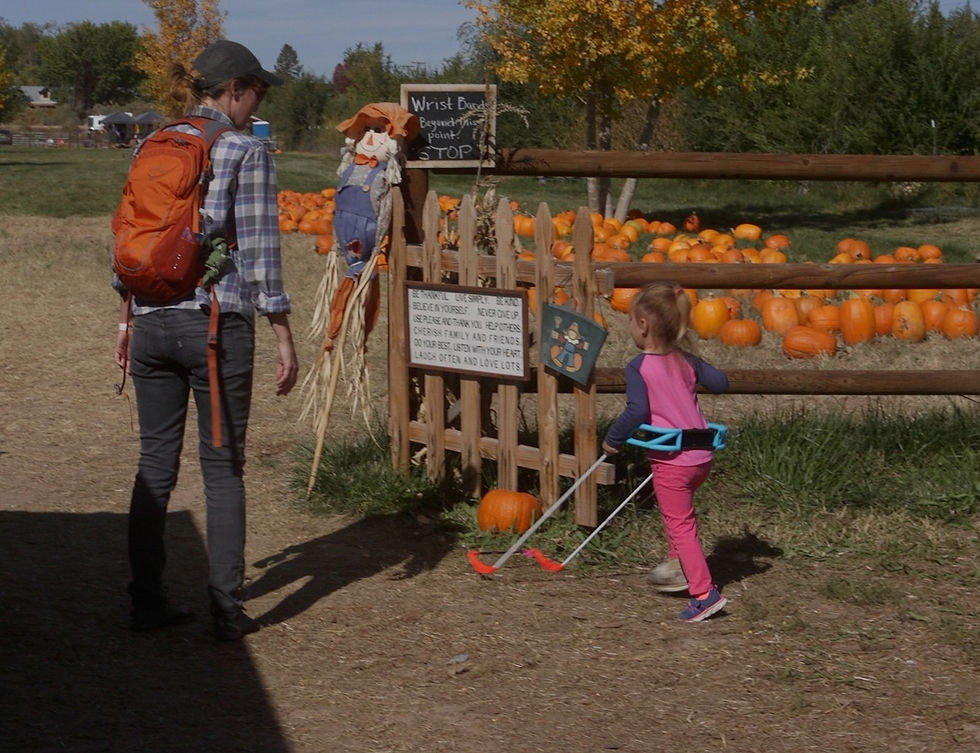
Self-reliant route execution develops through practice.
A child doesn't become a self-reliant traveler because someone shows them a route once.
They need opportunities to:
travel familiar routes repeatedly
experience environmental changes
learn where destinations are located
recognize and respond to route features
make choices about movement
initiate travel
arrive at meaningful destinations
experience the satisfaction of getting there
The adult's role is important.
Parents, teachers, O&M specialists, PTs, OTs, and other professionals help create appropriate opportunities, teach routes, and provide support based on the individual child's needs.
The goal is not to remove support before a child is ready.
The goal is to create opportunities for the child to take an increasingly active role in executing the route.
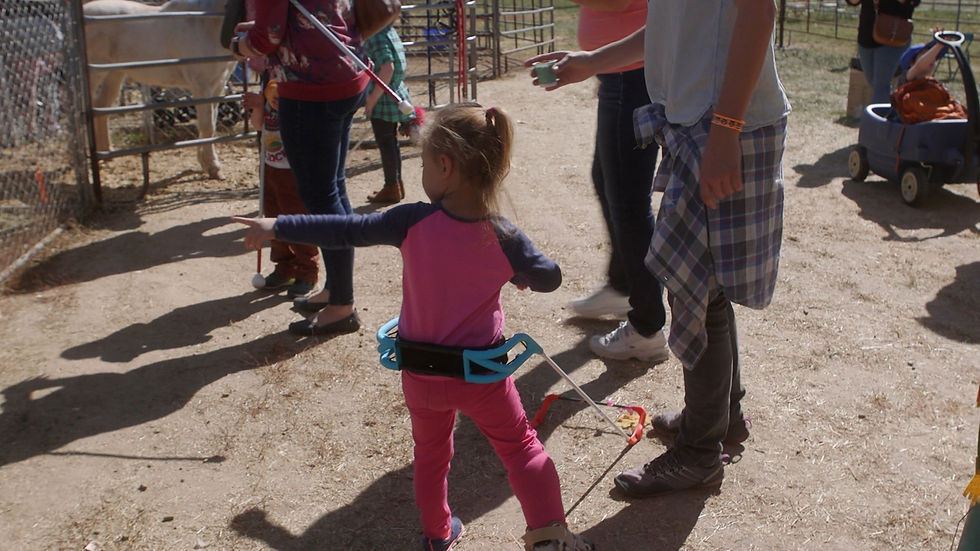
This fall, choose destinations that make children want to move.
Think about the places your child already loves.
Then think about the routes that get them there.
At home: Bedroom → bathroom Living room → kitchen House → backyard
At school: Classroom → playground Classroom → cafeteria Classroom → library
In the community: Car → store Entrance → children's section Parking lot → playground
For fall fun: Car → pumpkin patch Entrance → pumpkins Home → Halloween decorations School → fall festival
The possibilities are everywhere.
And the more meaningful the destination, the more opportunities a child has to practice getting there.
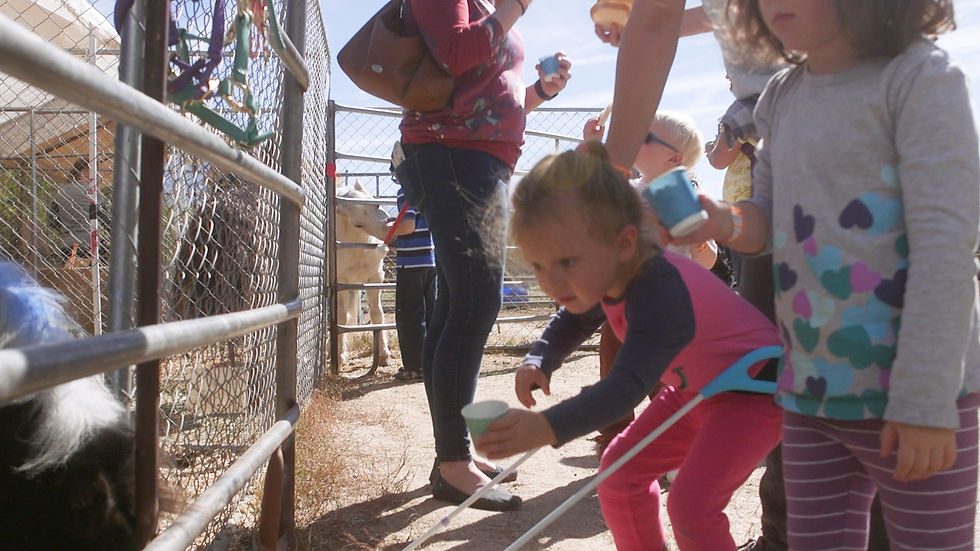
Walking. Learning. Arriving. Doing.
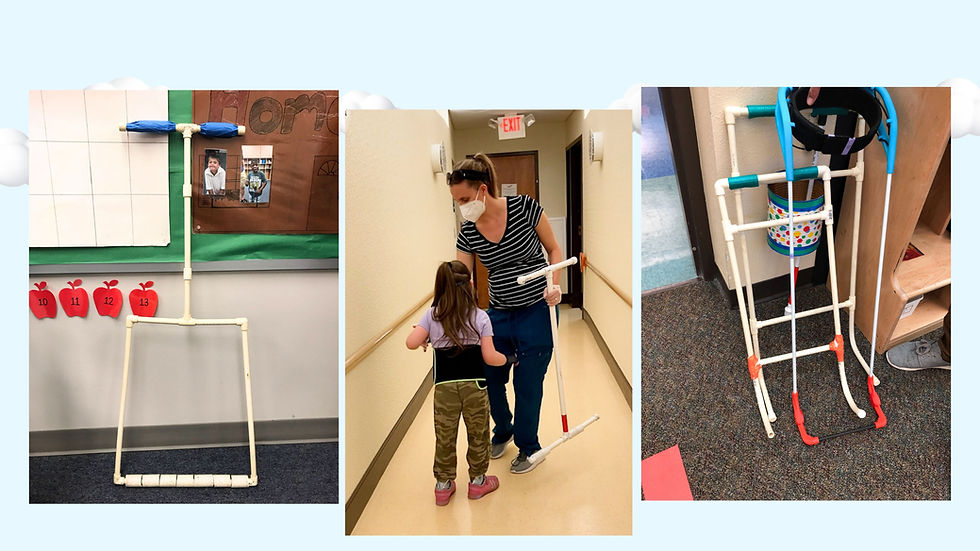
The Pediatric Belt Cane is a mobility tool designed to provide extended touch feedback while a child walks.
It can become part of the child's everyday mobility—not just during a formal mobility lesson, but while walking toward the places, people, activities, and experiences that make childhood fun.
Because self-reliant mobility isn't only about knowing how to walk.
It's about having opportunities to walk, learn the route, execute the route, and arrive.
And sometimes, the best motivation for learning a route is simply this:
There's something really fun waiting at the other end.
Fall is full of places to go.
Where will you go together?

Comments