


How a Pediatric Mobility Cane Enhances Independence and Safety
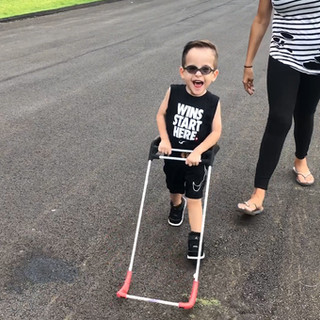
When a child faces challenges with vision or mobility, every step can feel like a mountain to climb. I’ve seen firsthand how the right tools can transform those steps into confident strides. One such tool is the Pediatric Belt Cane. It’s not just a walking aid; it’s a bridge to independence, safety, and exploration. Let’s dive into how this simple device can make a world of difference.
Understanding the Pediatric Belt Cane
A Pediatric Belt Cane is specially designed for children who have a visual impairment or blindness. Unlike adult canes, these are easier and more comfortable for kids to use. The rectangular cane frame helps children detect obstacles, changes in terrain, and other hazards, allowing them to navigate their environment safely.
Think of it as a child’s personal guide, extending their senses beyond what their eyes can see. It’s lightweight, easy to handle to appeal to young users. The design encourages children to develop proper cane techniques early, which is crucial for their long-term mobility skills.

Why Choose a Pediatric Mobility Cane?
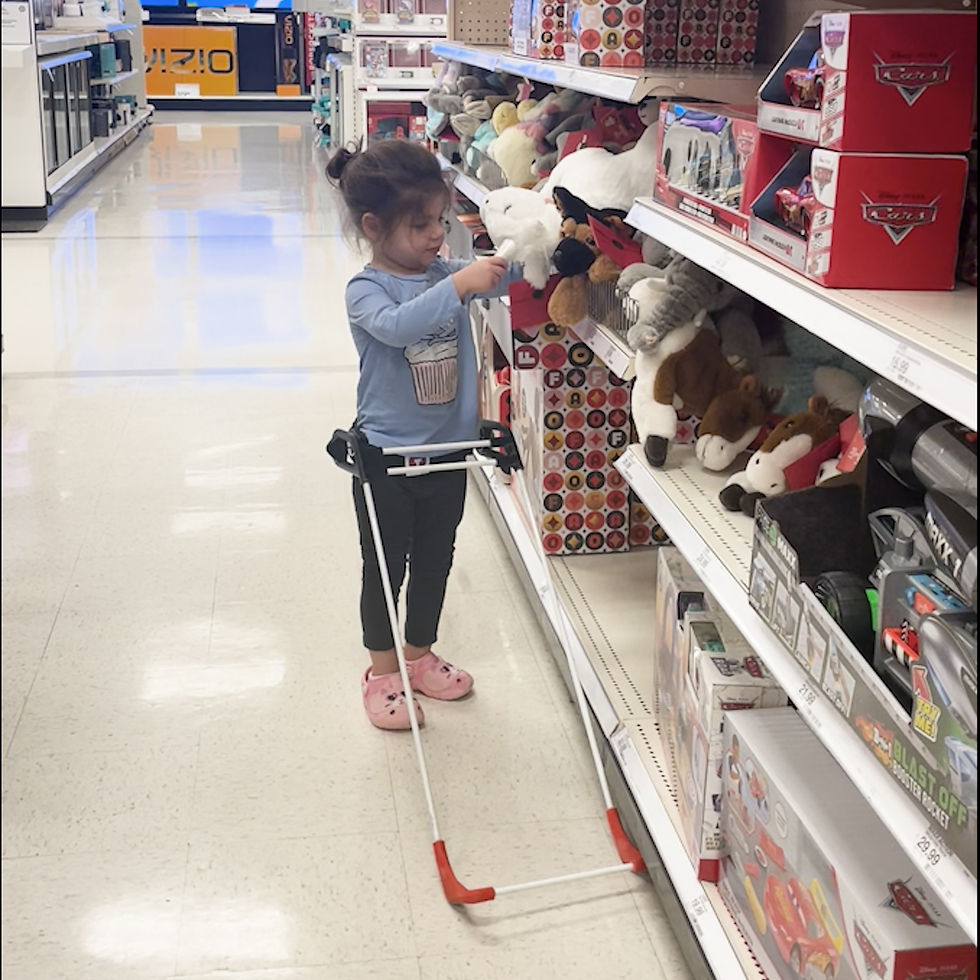
You might wonder, why not just use a regular cane or rely on assistance from others? The answer lies in independence and confidence. A Pediatric Belt Cane empowers children to explore their surroundings on their own terms. It’s a tool that fosters self-reliance and builds essential skills for navigating the world safely.
Here are some key benefits:
Safety: The cane alerts children to obstacles like curbs, steps, or uneven surfaces.
Confidence: Using a cane helps children feel more secure when moving around.
Skill Development: It teaches spatial awareness and orientation.
Social Inclusion: Children can participate more fully in activities with peers.
For parents and caregivers, seeing a child confidently move around without constant supervision is a huge relief. It’s a step toward normalcy and freedom.
Who qualifies for a white cane?
Not every child with a visual impairment will need a white cane, but many do. Typically, children who have a mobility visual impairment or blindness and need to move about are candidates. Orientation and mobility specialists assess each child’s needs and abilities to determine if a cane is appropriate.
The decision depends on degree of vision impairment impact on functional mobility such as walking with a
Cortical Visual Impairment
Optic Nerve Hypoplasia Septo-Optic Dysplasia
Retinopathy of Prematurity, etc
Including those with motor and intellectual disabilities
If a child qualifies, they will receive training on how to use the cane effectively. This training is essential because the cane is more than just a tool; it’s a skill that requires practice and guidance.
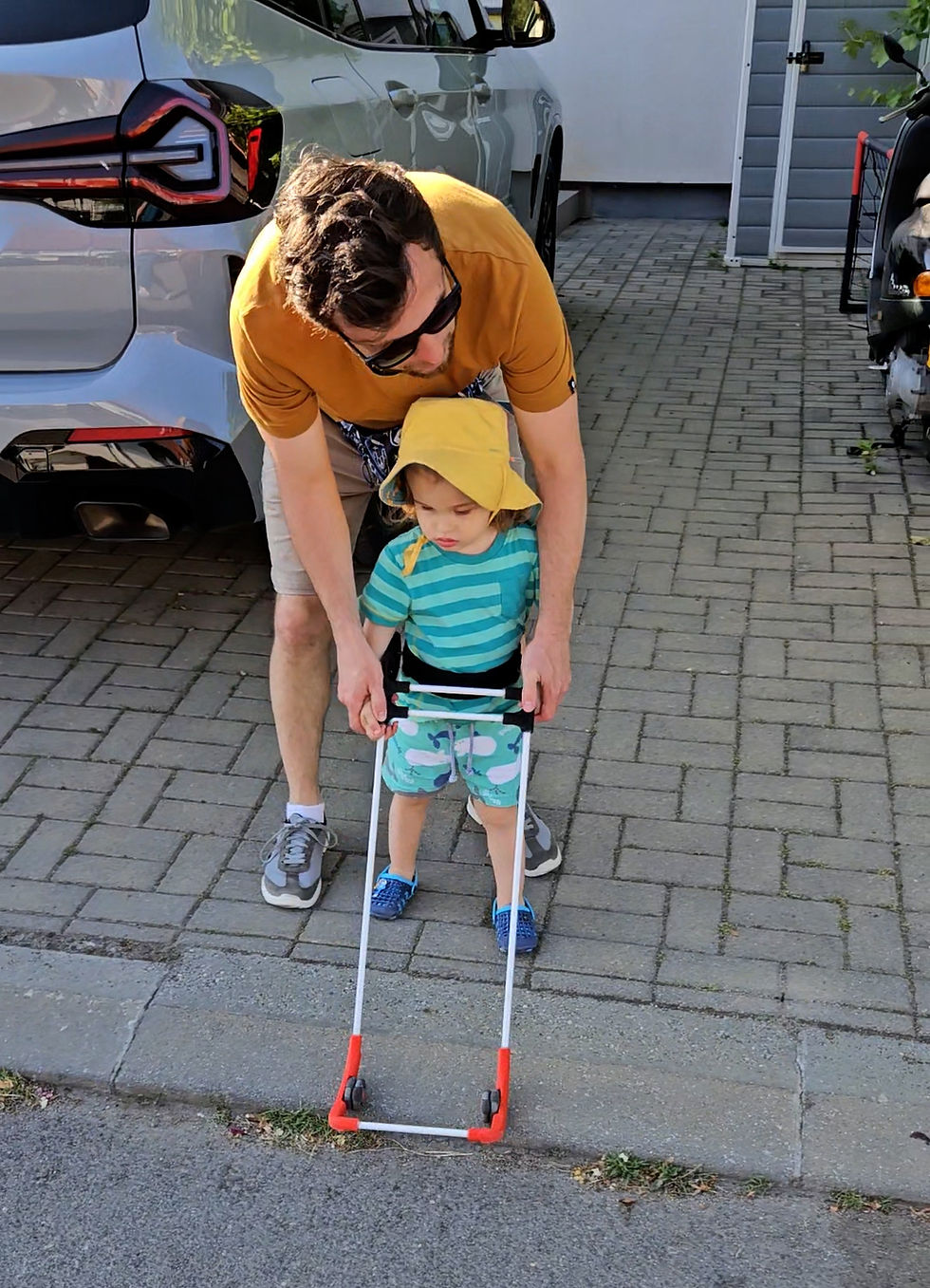
How to Introduce a Pediatric Belt Cane to Your Child
Introducing a cane to a child can be a delicate process. It’s important to approach it with patience and positivity. Here are some tips to make the transition smoother:
Start Early: The earlier a child learns to wear a Belt Cane, the more natural it becomes.
Make it Fun: Use games and activities to teach cane skills.
Be Supportive: Encourage and celebrate small successes.
Use the Right Equipment: Choose a cane that fits well and feels comfortable.
Work with Professionals: Orientation and mobility specialists can provide expert guidance.
Remember, the goal is to help your child feel empowered, not overwhelmed. The right approach can turn cane use into a positive experience that boosts their confidence.
Practical Tips for Using a Pediatric Mobility Cane Daily
Once your child is comfortable with their cane, integrating it into daily life is the next step. Here are some practical recommendations:
Routine Practice: Encourage daily use in natural environments to build skill.
Check the Cane: Regularly inspect the cane for wear and tear.
Teach Safety Rules: Reinforce safe travel habits like stopping at curbs.
Adapt to Environments: Help your child learn to use the cane indoors and outdoors.
Stay Patient: Progress may be gradual, but persistence pays off.
Using a Belt Cane can be especially helpful for younger children. It attaches securely around the waist, giving them freedom of movement while keeping the cane accessible. This design reduces the chance of dropping or losing the cane, making it a practical choice for active kids.
Encouraging Independence Through Mobility
Mobility is more than just moving from point A to point B. It’s about independence, confidence, and the ability to engage with the world. A Pediatric Belt Cane is a powerful tool in this journey. It opens doors to new experiences, friendships, and opportunities.
As a caregiver, your role is to support and encourage your child every step of the way. Celebrate their progress, no matter how small. Remember, every confident step they take with their cane is a victory worth applauding.
Mobility challenges can feel daunting, but with the right tools and support, children can thrive. The Pediatric Belt Cane is more than a device - it’s a key to unlocking a world of possibilities. So, why wait? Explore options, seek professional advice, and watch your child take confident strides toward independence.


Comments