top of page


Balanced, Protected, and Informed O&M for Active Daily Living
Dr. Grace Ambrose-Zaken


Stop Underestimating Blind Kids
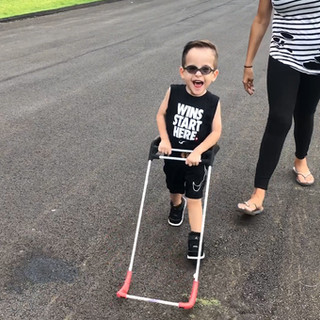
Touch is the sense that blind children use to learn about their world. Blindness/mobility visual impairment accesses same information through touch. And when we don't extend their touch, we risk underestimating what they can truly do.
Grace Ambrose-Zaken
Sep 24


12 New York Children Can Receive a Pediatric Belt Cane and Training
The grant award will help Safe Toddles place mobility tools directly into the hands of children aged 10 months and older. It will also support training so each recipient has help learning how the Belt Cane fits into daily movement, exploration, and safe travel.
Beaux Jettson
Sep 9
Greater Expectations: When a Blind Toddler’s Walking Delay Is Easy to Miss
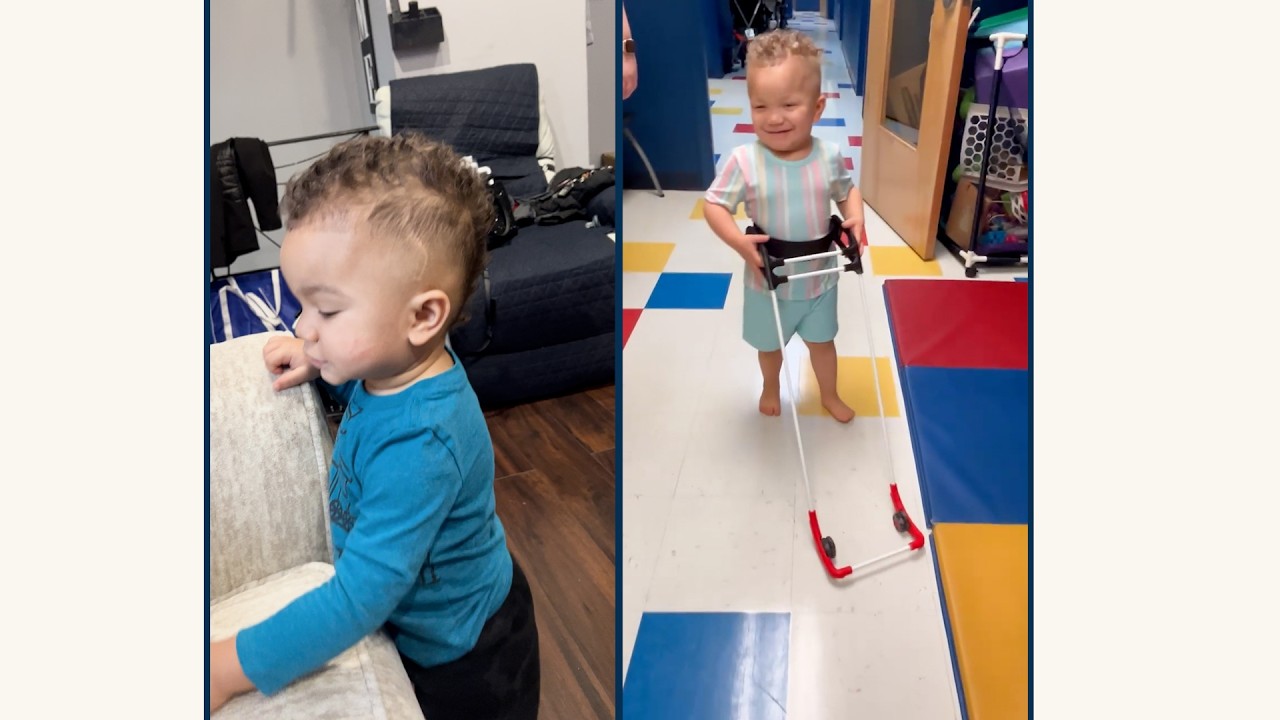
A blind toddler may walk quickly to a couch, wall, or helping hand and still be delayed in independent mobility. Our new YouTube video helps parents and professionals look beyond speed and recognize when a child is missing the information needed to move safely through open space.
Grace Ambrose-Zaken
Sep 8


🚨 ALERT! The Definition of an AMD Has Changed
And if you work with blind babies and toddlers, you need to know what this means. There is something buried in the newest edition of Foundations of Orientation and Mobility that parents of blind children—and the professionals serving them—should pay attention to. Mobility tools made easy for blind kids are used in more places. The 4th edition of Foundations of Orientation and Mobility, published in 2024, is presented as a major professional reference for O&M students and prac
Grace Ambrose-Zaken
Sep 5


The True Cost of Waiting: What Happens When a Blind Baby Has No Mobility Tool?
The first article in “The Cost of Waiting,” a series examining what happens when we fail to invest in appropriate mobility technology for young children with a mobility visual impairment or blindness.
Grace Ambrose-Zaken
Sep 3

When does a child need a mobility device?
When deciding whether a blind child needs a mobility device, are we asking the right questions? A clearer developmental framework starts with the child's need for protection and environmental information—not motivation, cane failure, social acceptability, or other unnecessary barriers.
Grace Ambrose-Zaken
Sep 1


Why the Cane Frame Needs to Be Obvious
The cane frame is obvious for a reason. The See My Cane Frame campaign helps sighted people understand why visible Belt Canes give blind children clearer next-step confidence, protected personal space, and pride in moving independently.
Grace Ambrose-Zaken
Aug 11

How Video Helps
Use one short summer video to document your blind child’s O&M skills, show how the Belt Cane supports safer travel, and ask your IEP or IFSP team to put assistive technology, training, and measurable mobility goals in writing.
Grace Ambrose-Zaken
Jul 24


Safe Toddles Receives Support from Nicholas B. Ottaway Foundation to Advance Blind Baby Safe Mobility Program
Safe Toddles is pleased to announce a $17,500 grant from the Nicholas B. Ottaway Foundation to advance Phase III of the Blind Baby Safe Mobility Program. Building on the Foundation's continued support, this next phase will help professionals navigate insurance, IEP, and IFSP systems to secure access to Pediatric Belt Canes and advocate for children to have consistent access to their mobility devices throughout daily life, including school, sports, recreation, and community ac
Grace Ambrose-Zaken
Jul 22


Ready for the Whole School Day: Summer Practice with the Pediatric Belt Cane
Independent mobility is not learned in a single lesson. It grows through everyday experience: every playground visited, every restaurant explored, every family outing, and every walk around the neighborhood. When children with an MVI/B trust the information provided through extended touch feedback of the Belt Cane, they gain more than mobility. They gain confidence, connection, and the freedom to belong.
Grace Ambrose-Zaken
Jul 18

Preparing Your Child with an MVI/B to Navigate School with Confidence
Extended touch feedback gives blind children the confidence to navigate school independently. Learn simple summer activities that prepare your child to wear a Pediatric Belt Cane throughout the school day.
Grace Ambrose-Zaken
Jul 13

Preparing Your Child with MVI/B mobility for the First Day of School: A Checklist
Preparing your blind child for the first day of school starts long before the school bell rings. Discover fun summer activities that build independent mobility, confidence, and school readiness through extended touch feedback with the Pediatric Belt Cane.
Grace Ambrose-Zaken
Jul 12


Every Blind Child Deserves Independence
Every child deserves the freedom to explore. Read Wesley's inspiring story and discover how mobility support helped a blind toddler move toward people, play, and independence.
Grace Ambrose-Zaken
Jun 6


Pop the Bubble Wrap: Why the Pediatric Belt Cane Makes Summer More Fun for Blind Kids
Excerpt: Want blind kids to take off the bubble wrap this summer? Start with what actually helps: a Pediatric Belt Cane, movement-rich play, and a healthy respect for touch as the star of the show.
Grace Ambrose-Zaken
May 27


Empowering Exploration: The Role of the Pediatric Belt Cane in Summer Adventures for Children with an MVI/B
At the heart of mobility development is the idea that children with an MVI/B learn best by living mobility.
Grace Ambrose-Zaken
May 20


Celebrate Mother's Day with Our Heartwarming Video and Support a Great Cause
Mother’s Day is a special time to honor the incredible role mothers play in our lives. This year, we invite you to experience a touching video that captures the essence of motherhood. The video shows mothers around the world helping their blind children with Belt Canes, simple yet powerful moments that highlights a mother's care, patience, and love.
Grace Ambrose-Zaken
May 9


What Is the Goal of the Push Toy for MVI/B Toddlers?
Where Push Toys Fall Short
Push toys were never designed as mobility tools. And when you look at them through that lens, the limitations are obvious:
They don’t travel well (try fitting one in a car or airplane)
They don’t function in real environments (grass, gravel, uneven terrain)
They’re difficult to steer and control
They don’t fit into daily life (classrooms, tight spaces)
They offer no practical strategy for stairs
Grace Ambrose-Zaken
Mar 22


It’s Never Too Late: How the Pediatric Belt Cane Unlocks Walking Confidence for Children with an MVI/B
At approximately 12 months, the eyes of sighted children have physically developed to adult proportions. This shift allows vision to become the dominant source of balance feedback for walking. The Pediatric Belt Cane provides what the developing MVI/B body needs: enhanced tactile feedback.
Grace Ambrose-Zaken
Feb 23


Understanding Blind Walking: How Extended Touch Enables Balanced Walking
Mobility tools (Belt Cane, rectangular cane, long cane, and human guide) all share a common feature, they provide body-to-device-to-surface link. They allow the blind person to touch the ground ahead this additional sensory information helps stabilize walking in much the same way vision does. When a cane touches the ground, it sends signals to the brain about the surface and body position, acting as an extension of the sensory system.
Grace Ambrose-Zaken
Jan 28


The Belt Cane Balance Advantage: The Walking Solution Parents Have Been Looking For
Clinical Ophthalmology published an article called The Role of a Pediatric Belt Cane in Children with Cerebral Visual Impairment a pilot study that used smartphone videos from 11 children with clinical diagnosed CVI at baseline and 8-week follow-up while wearing a Pediatric Belt Cane. Belt Cane use was associated with improved gait speed, with supportive improvements in step length and foot-mobility. That's because bipedal ambulation (walking) is not possible without unaltere
Grace Ambrose-Zaken
Jan 23
bottom of page