top of page


Balanced, Protected, and Informed O&M for Active Daily Living
Dr. Grace Ambrose-Zaken
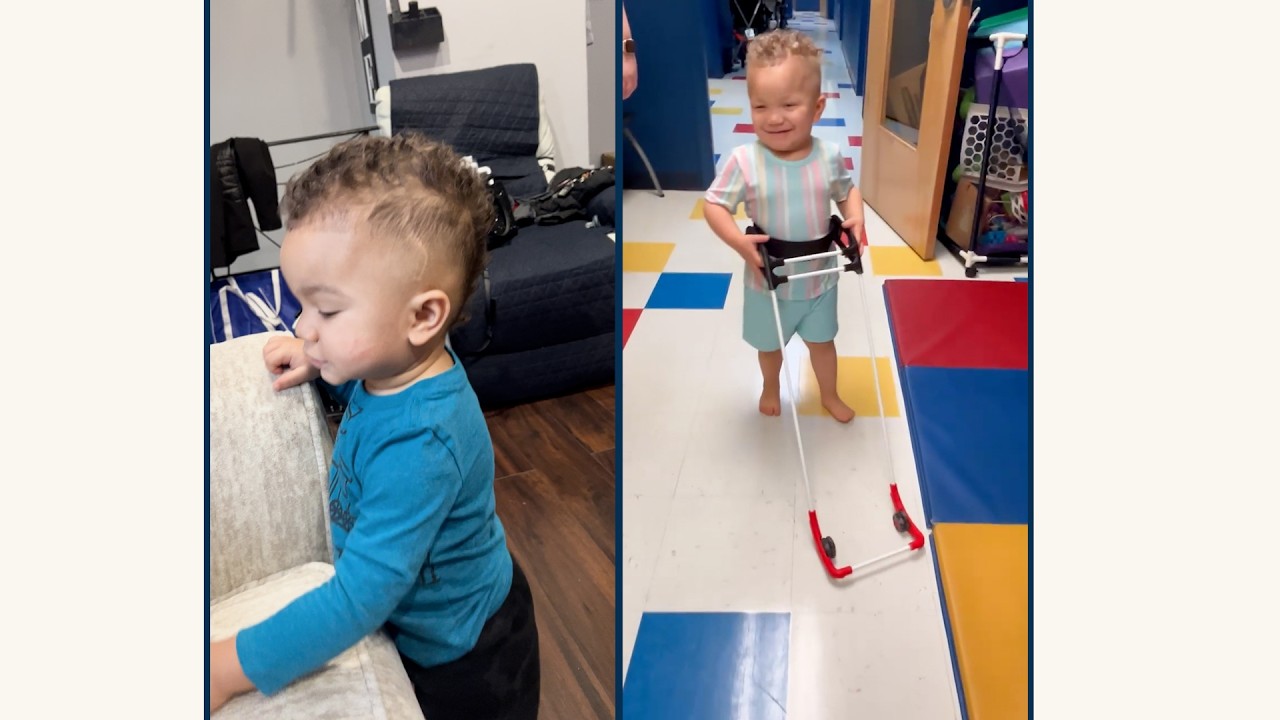
Greater Expectations: When a Blind Toddler’s Walking Delay Is Easy to Miss
A blind toddler may walk quickly to a couch, wall, or helping hand and still be delayed in independent mobility. Our new YouTube video helps parents and professionals look beyond speed and recognize when a child is missing the information needed to move safely through open space.
Grace Ambrose-Zaken
Sep 8


Understanding Mobility for Blind Children: The Importance of Active Exploration
The narrative that blind toddlers are lacking sensory information needed to entice them to walk is true. But it can't be vision...they don't know what sight is. Blind toddlers know and love touch feedback, and the cane frame allows them to claim the space ahead of themselves and use tactile signals from the cane frame to move with self-reliance.
Grace Ambrose-Zaken
Aug 25


Why the Cane Frame Needs to Be Obvious
The cane frame is obvious for a reason. The See My Cane Frame campaign helps sighted people understand why visible Belt Canes give blind children clearer next-step confidence, protected personal space, and pride in moving independently.
Grace Ambrose-Zaken
Aug 11


Ready for the Whole School Day: Summer Practice with the Pediatric Belt Cane
Independent mobility is not learned in a single lesson. It grows through everyday experience: every playground visited, every restaurant explored, every family outing, and every walk around the neighborhood. When children with an MVI/B trust the information provided through extended touch feedback of the Belt Cane, they gain more than mobility. They gain confidence, connection, and the freedom to belong.
Grace Ambrose-Zaken
Jul 18


Discover Exciting Activities for Children with Visual Impairments in the Safe Toddles Summer Blog Series 2026
Summer is a perfect time for children to explore, play, and learn through new experiences. For children with visual impairments or blindness who are now mobile using the Pediatric Belt Cane, finding engaging and accessible activities can be a challenge. The Safe Toddles Summer Blog Series 2026 is designed to fill this gap by offering weekly posts filled with fun activities, games, and challenges tailored specifically for children with visual, cognitive and motor impairments
Grace Ambrose-Zaken
May 20


Celebrate Mother's Day with Our Heartwarming Video and Support a Great Cause
Mother’s Day is a special time to honor the incredible role mothers play in our lives. This year, we invite you to experience a touching video that captures the essence of motherhood. The video shows mothers around the world helping their blind children with Belt Canes, simple yet powerful moments that highlights a mother's care, patience, and love.
Grace Ambrose-Zaken
May 9


Building Walkers: From Wobbly Steps to Confident Movement
Start early. Stay consistent. Keep extended touch feedback part of daily life. To learn more and obtain ACVREP CEUs go to our curriculum and courses: https://safetoddles.podia.com/
Grace Ambrose-Zaken
Apr 25


Building Walkers: From Assisted Steps to Intentional Forward Movement
Your child can move forward wearing the Belt Cane, but only when something (your hand, a wall, furniture) is doing part of the work. Now the goal is simple increase the number of steps and decrease support as the Belt Cane protects, informs, and balances out their movement:
Grace Ambrose-Zaken
Apr 25


Building Walkers: A Daily Mobility Framework for Young Blind Children Using the Belt Cane
This is a walking plan to help parents and professionals build early walking skills through providing children with a mobility visual impairment or blindness daily recommended hours of meaningful movement every day paired with extended touch feedback.
Grace Ambrose-Zaken
Apr 24


The Hidden Harm of Sitting: Even More Concerning in Children with Blindness
Sitting has quietly become the default position of childhood. In classrooms, therapy sessions, and even at home, young children are often expected to sit—calmly, safely, and for long stretches of time. For sighted children, this trend is already raising concerns about physical health, attention, and development. But for children with a mobility visual impairment or blindness (MVI/B), the consequences run deeper—and seem often overlooked.
Grace Ambrose-Zaken
Apr 8
bottom of page