top of page


Balanced, Protected, and Informed O&M for Active Daily Living
Dr. Grace Ambrose-Zaken
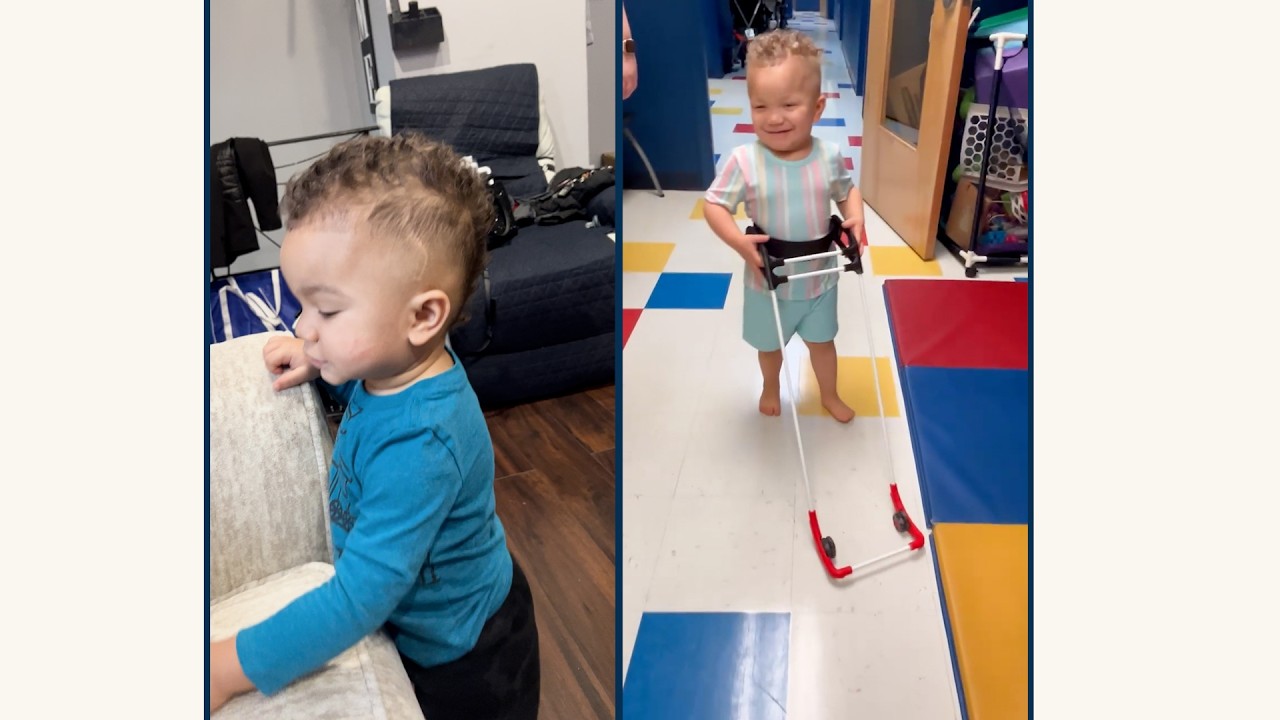
Greater Expectations: When a Blind Toddler’s Walking Delay Is Easy to Miss
A blind toddler may walk quickly to a couch, wall, or helping hand and still be delayed in independent mobility. Our new YouTube video helps parents and professionals look beyond speed and recognize when a child is missing the information needed to move safely through open space.
Grace Ambrose-Zaken
Sep 8


🚨 ALERT! The Definition of an AMD Has Changed
And if you work with blind babies and toddlers, you need to know what this means. There is something buried in the newest edition of Foundations of Orientation and Mobility that parents of blind children—and the professionals serving them—should pay attention to. Mobility tools made easy for blind kids are used in more places. The 4th edition of Foundations of Orientation and Mobility, published in 2024, is presented as a major professional reference for O&M students and prac
Grace Ambrose-Zaken
Sep 5


The True Cost of Waiting: What Happens When a Blind Baby Has No Mobility Tool?
The first article in “The Cost of Waiting,” a series examining what happens when we fail to invest in appropriate mobility technology for young children with a mobility visual impairment or blindness.
Grace Ambrose-Zaken
Sep 3


Ready for the Whole School Day: Summer Practice with the Pediatric Belt Cane
Independent mobility is not learned in a single lesson. It grows through everyday experience: every playground visited, every restaurant explored, every family outing, and every walk around the neighborhood. When children with an MVI/B trust the information provided through extended touch feedback of the Belt Cane, they gain more than mobility. They gain confidence, connection, and the freedom to belong.
Grace Ambrose-Zaken
Jul 18


Empowering Exploration: The Role of the Pediatric Belt Cane in Summer Adventures for Children with an MVI/B
At the heart of mobility development is the idea that children with an MVI/B learn best by living mobility.
Grace Ambrose-Zaken
May 20


When Blindness Is Mistaken for “Behavior”: Why Blind Children With Intellectual Disabilities Need More Touch Feedback, Not Less
Maddox began using the Belt Cane at age 2. This short shows his progression toward independent mobility, including walking confidently through familiar environments, navigating school routines, and getting on and off the school bus—even in snowy conditions. Despite intellectual delays, he demonstrates strong spatial understanding and real-world independence through consistent tactile feedback and early mobility support.
Grace Ambrose-Zaken
May 9


Five Requirements of Mobility Devices For People with a Mobility Visually Impaired or Blindness
Five Requirements of Mobility Devices For People who are Mobility Visually Impaired and Blind A guide to evaluating mobility devices
Grace Ambrose-Zaken
Feb 21, 2021
bottom of page