top of page


Balanced, Protected, and Informed O&M for Active Daily Living
Dr. Grace Ambrose-Zaken

Preparing Your Child with MVI/B mobility for the First Day of School: A Checklist
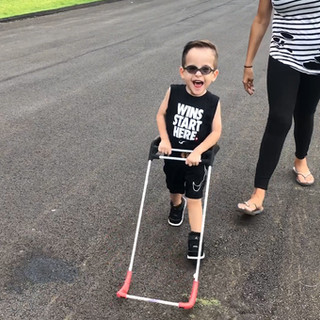
Preparing your blind child for the first day of school starts long before the school bell rings. Discover fun summer activities that build independent mobility, confidence, and school readiness through extended touch feedback with the Pediatric Belt Cane.
Grace Ambrose-Zaken
Jul 12


Is Your Blind Child Ready for School? What to Practice First
Is your blind child ready for school? Discover the self-advocacy, mobility, and motor skills children should practice before the first day of school to build confidence, independence, and successful participation in the classroom.
Grace Ambrose-Zaken
Jul 11


Freedom to Explore: Supporting Children with a Mobility Visual Impairment/blind
Freedom means having room to move. Learn how the Pediatric Belt Cane gives blind children the touch information they need for safe, independent mobility.
Grace Ambrose-Zaken
Jun 23


Why Walking Success in Blind Children Should Be Boring
Walking is one of the most celebrated milestones of childhood—and one of the first achievements we immediately take for granted. For blind children, however, independent walking has historically been delayed and often attributed to blindness itself. What happens when young children with blindness gain access to extended touch feedback that provides information about the world ahead of them? The answer may be surprisingly ordinary: walking becomes effortless, natural, and almo
Grace Ambrose-Zaken
Jun 2


What Blind Children Are Really Feeling When You Say “Take That Thing Off Her”: Why Extended Touch Feedback for Blind Children Matters
A viral video of a three-year-old girl climbing independently with a Pediatric Belt Cane sparked both praise and criticism online. But the backlash reveals a deeper societal bias: blind children have historically been denied the extended touch feedback they need for safe, confident, independent movement. This article explains why the Belt Cane is not “too much touch” — it is the equivalent of turning on the lights for a child who cannot rely on vision.
Grace Ambrose-Zaken
May 19


Walking Has a Purpose: From First Steps to Meaningful Movement
Walking starts as a goal—then becomes a gateway. What once felt like a distant milestone becomes routine—and that’s exactly the point. Because once a child walks well, the world opens.
Grace Ambrose-Zaken
Mar 23


Five Requirements of Mobility Devices For People with a Mobility Visually Impaired or Blindness
Five Requirements of Mobility Devices For People who are Mobility Visually Impaired and Blind A guide to evaluating mobility devices
Grace Ambrose-Zaken
Feb 21, 2021
bottom of page