


Is Your Blind Child Ready for School? What to Practice First
Updated: Jul 12
For many families, “back to school” means shopping for backpacks, lunch boxes, and new shoes.
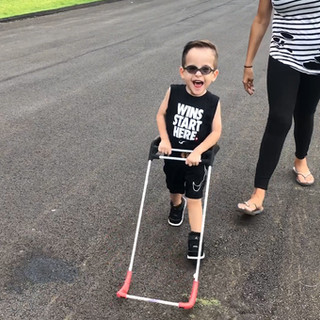
For parents of children with a mobility visual impairment or blindness (MVI/B), school preparation includes something even more important: getting their MVI/B children ready to move safely and confidently at school.

School readiness is about far more than recognizing letters, counting to ten, or knowing colors. Every school day asks children to move from place to place again and again. They enter and navigate the classroom, travel to and within the restroom, line up for lunch, play on the playground, participate in physical education, visit the library, and join classmates during special events. Each of these experiences depends on mobility.
When children with an MVI/B develop confidence moving independently, they are better prepared to learn. They spend less time waiting for someone else to guide them and more time exploring, discovering, and participating.
Independent mobility supports healthy social development. Children who move confidently can choose where to stand during conversations, approach classmates, join a group, and maintain comfortable personal space with teachers and friends. Instead of relying on another person to position them, children begin managing these everyday social interactions for themselves.
At Safe Toddles, we encourage families to think about school readiness in four key areas:
Self-advocacy
Belt Cane skills
Integrating Belt Cane and motor development
Following the rules of independent walking
Together, these skills help children with an MVI/B become active, confident participants in their education. In this first article of the Belt Cane Back to School Guide series, we’ll focus on what families can begin practicing before the first day of school.

Preschool (Ages 3–5): Learning to Explore
The preschool years are an important time for children to learn that movement can be safe, purposeful, and rewarding.
Sighted children constantly receive visual information several feet ahead of their bodies. Children with an MVI/B often learn what is nearby through touch.
Consistent extended touch feedback helps them gather information before their bodies encounter obstacles, giving them more confidence to explore familiar spaces and try new activities.
Practice Self-Advocacy
Even young children can begin learning simple language and routines that help them communicate their needs. Families can practice helping children:
Tell adults when they cannot see well.
Ask for help when they want it.
Explain that their Belt Cane helps them walk safely.
Understand that adults should ask before moving or adjusting their Belt Cane.
Practice Belt Cane Skills
Daily routines offer natural opportunities for preschoolers to build confidence using the Belt Cane. Children should have opportunities to:
Stand up, sit down, and walk through familiar environments independently.
Find and navigate doorways, hallways, and stairs with support as needed.
Detect furniture and other obstacles with the cane frame before their body reaches them.
Stop when the cane frame contacts an obstacle.
Recover, reorient, and continue walking confidently.
Use toys, classroom materials, and everyday objects independently and appropriately.
With practice, children with an MVI/B learn that the Belt Cane gives them useful information through extended touch during ordinary family, classroom, and playground routines.
Integrate the Belt Cane with Motor Skills
Motor development and mobility practice should happen together. While wearing the Belt Cane, children can be encouraged to participate in everyday movement activities such as:
Walking on different surfaces.
Climbing playground equipment with appropriate supervision.
Walking up and down ramps.
Stepping up, over, and down from low obstacles.
Squatting to pick up toys.
Carrying favorite objects while walking.
Walking longer distances during family or school routines.
For preschoolers, the goal is not perfection. The goal is repeated, positive practice so children begin to trust their own movement, understand what the Belt Cane tells them, and participate more fully in the routines that prepare them for school.
Practice Common Family Walking Rules
School readiness also includes learning the everyday family rules that help children move as part of a group. These rules are especially useful when families are walking in the community, visiting a park, moving through a parking lot, or joining classmates on a school outing.
Preschoolers do not need to master every rule at once. Instead, families can practice one or two predictable expectations during ordinary routines, using the same simple language each time.
Stay with the group and stop when the group stops.
Listen for the adult’s walking words, such as “stop,” “wait,” “turn,” “hold,” or “walk.”
Keep the Belt Cane on and in position while walking.
Use sidewalks, paths, and marked crossings when they are available.
Stop before streets, driveways, parking lots, playground gates, and other busy transition areas.
Wait for an adult before crossing streets or moving through parking lots.
Give other people enough space, especially in lines, doorways, playground paths, and crowded community areas.
Ask before touching another person, another child’s mobility device, a stroller, a dog, or unfamiliar equipment.
Practice calm body movements near swings, slides, stairs, ramps, curbs, and other places where children are moving in different directions.
These family rules are not meant to limit exploration. They give children a shared routine for moving safely with others while still building independence, confidence, and participation in real community settings.
For preschoolers, the goal is not perfection. The goal is repeated, positive practice so children begin to trust their own movement, understand what the Belt Cane tells them, and participate more fully in the routines that prepare them for school.

Elementary School (Ages 6–10): Becoming an Independent Student
Elementary school introduces larger classrooms, busier hallways, longer routines, and more responsibility. Children are expected to move with classmates, follow adult directions, manage personal belongings, and participate in more parts of the school day with increasing independence.
At this age, mobility becomes part of the background of learning. The Belt Cane’s frame provides continuous tactile information about the MVI/B child’s position in relation to nearby people and objects. With experience, children begin using that information to move through school spaces, understand how close they are to others, and maintain appropriate social spacing during conversations, classroom activities, and group play.
Practice Self-Advocacy
Elementary students can begin using clear, respectful language to explain what helps them move safely and participate fully. Families and teachers can help children practice how to:
Explain what the Belt Cane is and why they use it.
Ask classmates not to pull, push, or lead them without permission.
Request verbal directions instead of someone grabbing their arm or moving their body.
Help with classroom jobs and daily school routines.
Tell an adult when a route, classroom setup, or activity feels confusing or unsafe.
Begin participating in IEP conversations by sharing what helps them move and learn.
Practice Belt Cane Skills
Elementary students benefit from incorporating Belt Cane skills in the real places where school life happens. Children with an MVI/B should have opportunities to practice:
Finding classroom doors and familiar landmarks.
Traveling through hallways with increasing independence.
Navigating lunchrooms, libraries, gyms, and playgrounds.
Walking with classmates without relying on physical guidance.
Detecting changes in flooring, door thresholds, ramps, and other transitions.
Carrying a backpack or school materials while walking.
Maintaining comfortable personal space when talking with teachers and classmates.
Joining a group of friends without bumping into others.
Waiting in line while keeping appropriate spacing.
Moving through crowded hallways using the Belt Cane for information and protection.
Integrate the Belt Cane with Motor Skills
As children with an MVI/B grow, families can encourage stronger, more coordinated movement while the Belt Cane remains part of the routine. Practice can include:
Walking at a steady pace that matches the group.
Building endurance for longer school and community routes.
Navigating stairs with appropriate instruction and supervision.
Turning safely in hallways, classrooms, and playground areas.
Balancing while carrying school materials.
Climbing and moving on playground equipment with appropriate support.
Practice Common Family Walking Rules
Elementary-age children with an MVI/B maybe ready to take more responsibility for walking as part of a family, class, or community group. The goal is to build predictable habits that help children participate without needing constant physical guidance.
Stay close enough to hear the adult or group leader.
Stop at every street, driveway, curb, parking-lot crossing, playground gate, or other transition area.
Use sidewalks, paths, marked crossings, and familiar routes whenever possible.
Keep the Belt Cane on and in position while walking in school, community, and park settings.
Use agreed-upon words for group movement, such as “stop,” “wait,” “turn,” “cross,” “line up,” and “meet here.”
Ask before leaving the group to visit a restroom, playground area, water fountain, classroom, or store aisle.
Practice identifying safe helpers, such as a teacher, staff member, store employee, librarian, police officer, or another adult approved by the family.
Know the family’s rule for what to do if separated: stop, stay in a safe public place, and ask a safe helper to contact the adult.
These rules help children with an MVI/B move with others while gradually learning how to manage more of the route, the environment, and their own communication.

Middle School (Ages 11–14): Building Community Independence
Middle school students with an MVI/B often move through larger buildings, more crowded schedules, after-school activities, and community spaces with less direct adult supervision. This is a good time to expand family rules from “stay with the adult” to “know the plan, use your tools, and communicate clearly.”
Practice a Separated-from-the-Group Plan
Before going to a park, store, community event, school activity, or field trip, families can name an “in case we get separated” place to meet. The meeting place should be specific, easy to describe, and safe, such as the front desk, information booth, checkout counter, main entrance, school office, or a familiar landmark.
Say the meeting place out loud before entering the space.
Practice describing the meeting place using clear words.
Stop walking if separated and avoid wandering to search for the group.
Go to the agreed meeting place when it is safe and familiar to do so.
If the meeting place cannot be reached safely, stay in a public area and ask a safe helper for assistance.
Carry emergency contact information in a consistent location.
Practice Cell Phone Skills
If a student uses a cell phone, the phone should support independence rather than replace mobility practice. Families can teach phone routines during calm, familiar outings before expecting students to use them during stressful situations.
Keep the phone charged before leaving home or school.
Know how to call or message a parent, caregiver, teacher, or approved emergency contact.
Use voice commands, accessibility settings, or speed dial when helpful.
Share location only according to family rules.
Call first if plans change, transportation changes, or the student is unsure where to go.
Use headphones cautiously so environmental sounds, traffic, and group instructions can still be heard.
Practice explaining location using landmarks, store names, school spaces, street names, or route descriptions. Practice using orientation apps.
Practice Stranger-Safety and Safe-Helper Skills
Middle school students need practical, non-scary language for getting help in public. Rather than teaching children that all strangers are dangerous, families can teach students to notice behavior, follow family permission rules, and identify safe helpers when help is needed.
Do not leave with anyone unless the family has approved that person or plan.
Do not get into a car, enter a private space, or change locations because someone asks for help.
Move toward public places, staff areas, information desks, checkout counters, school offices, or groups of families when help is needed.
Ask a safe helper to call the parent, caregiver, or school contact.
Use a confident voice to say, “No,” “I need help,” or “Please call my parent.”
Tell a trusted adult right away if anyone asks the student to keep a secret, offers a ride, pressures them to leave, or makes them uncomfortable.
Practice role-playing common situations so the student knows what to say before it happens in real life.
For middle school students, the goal is growing independence with a clear plan. When students know where to meet, how to contact help, how to describe where they are, and how to use safe-helper rules, they are better prepared to participate in school and community life with confidence.

High School (Ages 14–22): Preparing for Independence
High school prepares students for college, work, community travel, and adult life. At this stage, the goal is not only getting around school. The goal is preparing for independence beyond school.
By adolescence, independent mobility becomes part of social confidence and self-determination. Students who can judge their own position in relation to other people are better able to initiate conversations, participate in group activities, respect personal boundaries, and decide for themselves how close they want to stand. These are life skills that extend well beyond the school day.
Practice Self-Advocacy
High school students should have regular opportunities to speak for themselves, explain what supports their independence, and participate in planning for school, work, and community life. Families and teams can help students practice how to:
Lead conversations about accommodations and mobility needs.
Explain Belt Cane use to teachers, peers, employers, coaches, or activity leaders.
Participate actively in IEP and transition-planning meetings.
Describe what kind of assistance is helpful and what kind is not.
Understand accessibility rights and responsibilities in school, work, and community settings.
Ask for route information, environmental details, or help problem-solving without giving up independence.
Practice Belt Cane Skills
High school students need practice using the Belt Cane in more complex, less predictable environments. Practice can include:
Navigating large school campuses and changing routes between classes.
Participating in community-based instruction, job shadowing, internships, or volunteer activities.
Moving through school events, assemblies, sports events, performances, and crowded hallways.
Using the Belt Cane in stores, sidewalks, public buildings, and transportation settings.
Inspecting, maintaining, and taking responsibility for their Belt Cane.
Planning efficient routes while still allowing time to move safely and confidently.
Integrate the Belt Cane with Motor Skills
As students prepare for adult routines, endurance, strength, balance, and coordination continue to matter. Families can build confidence through:
Long-distance walking on school, neighborhood, and community routes.
Carrying heavier backpacks, work materials, instruments, sports gear, or personal items.
Practicing public transportation routines when appropriate for the student and community.
Walking in different weather, lighting, and noise conditions.
Maintaining energy and safe movement throughout a full school day.
Managing stairs, ramps, curbs, doors, lines, and crowded transitions with increasing independence.
Practice Community and Personal Safety Rules
High school students also need clear routines for community independence. These rules should be practiced before students are expected to use them alone or with peers.
Confirm the destination, route, transportation plan, and pickup plan before leaving.
Integrate the use of orientation apps into the trip.
Keep emergency contacts, identification, and important medical or accessibility information in a consistent location.
Use the family’s communication plan for changes in schedule, transportation, or location.
Know when to call, text, share location, or ask a safe helper for assistance.
Maintain personal boundaries when accepting help from others.
Decline unwanted assistance clearly and respectfully.
Tell a trusted adult if a situation feels confusing, pressured, unsafe, or inconsistent with the plan.
More Than Obstacle Detection
Many people think mobility devices simply help someone avoid obstacles. For children and teens who use the Pediatric Belt Cane, the cane also provides valuable tactile information about the space surrounding their bodies.
This information helps children and teens:
Respect other people’s personal space.
Decide how close they want to stand during conversations.
Join classmates without bumping into them.
Feel more confident approaching teachers and friends.
Reduce the need for adults to physically reposition them.
Develop greater awareness of their own body in relation to others.
These social skills are just as important as finding a doorway or avoiding a chair. Successful participation at school depends on both safe movement and comfortable interactions with others.
Remember: School Readiness Starts with Movement
Children with an MVI/B learn best when they can actively explore their environments. When mobility depends entirely on another person, children often wait for experiences to come to them. When mobility becomes independent, learning becomes self-directed.
Whether your child is beginning preschool, moving through elementary school, entering middle school, or preparing for high school, daily mobility practice helps build confidence that extends far beyond the classroom.
Independent movement leads to greater participation, stronger problem-solving, increased confidence, and a lifetime of learning.
As your child prepares to head back to school this year, ask yourself one simple question:
"Can my child independently get where they want to go?"
If the answer is "not yet," today is the perfect day to begin.
Continue Learning
🎓 Blind Baby Safe Mobility Curriculum
Learn evidence-based strategies for teaching mobility, motor development, and Pediatric Belt Cane skills through the Blind Baby Safe Mobility Curriculum. The curriculum combines early Orientation & Mobility instruction with motor milestone development for children with mobility visual impairment or blindness.
Explore the Blind Baby Safe Mobility Curriculum

📺 Watch Real Children Learning Independent Mobility
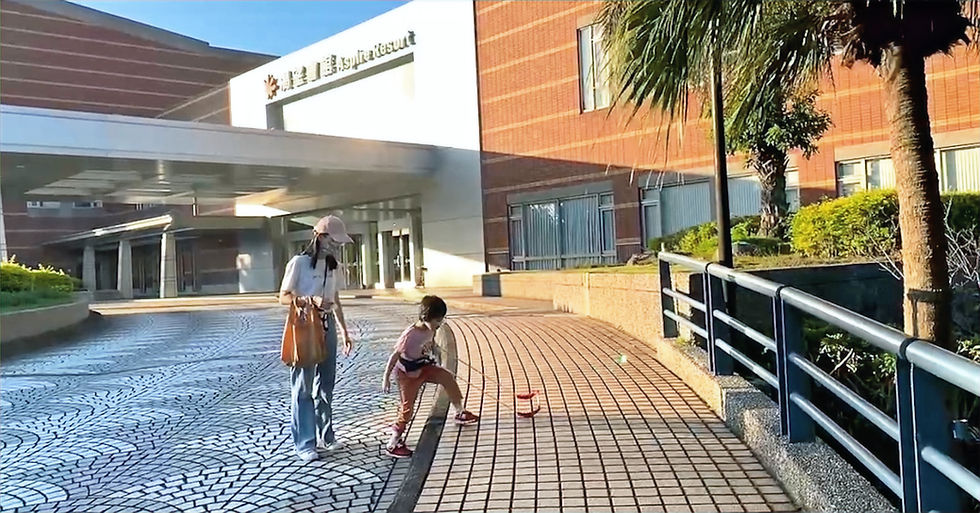
Wesley's first independent walking experiencesMarlowe: From Tears to TriumphCharna finding her toy using the Belt CaneMaddox's school mobility progressionBraylen's journey to independent walkingThese real-world examples help families visualize how children develop confidence through daily mobility practice. Your website already highlights these stories and links to your video resources.
Belt Cane Back to School Guide: Five-part Series
Links
Article 1: Is Your Blind Child Ready for School? (current article)
Article 3: Why Extended Touch Feedback Matters at School
Article 4: From Classroom to Playground: Helping Blind Students Keep Up
Article 5: Writing Better IEP Mobility Goals for Independent School Travel


Comments