top of page


Balanced, Protected, and Informed O&M for Active Daily Living
Dr. Grace Ambrose-Zaken


12 New York Children Can Receive a Pediatric Belt Cane and Training
The grant award will help Safe Toddles place mobility tools directly into the hands of children aged 10 months and older. It will also support training so each recipient has help learning how the Belt Cane fits into daily movement, exploration, and safe travel.
Beaux Jettson
Sep 9
Greater Expectations: When a Blind Toddler’s Walking Delay Is Easy to Miss
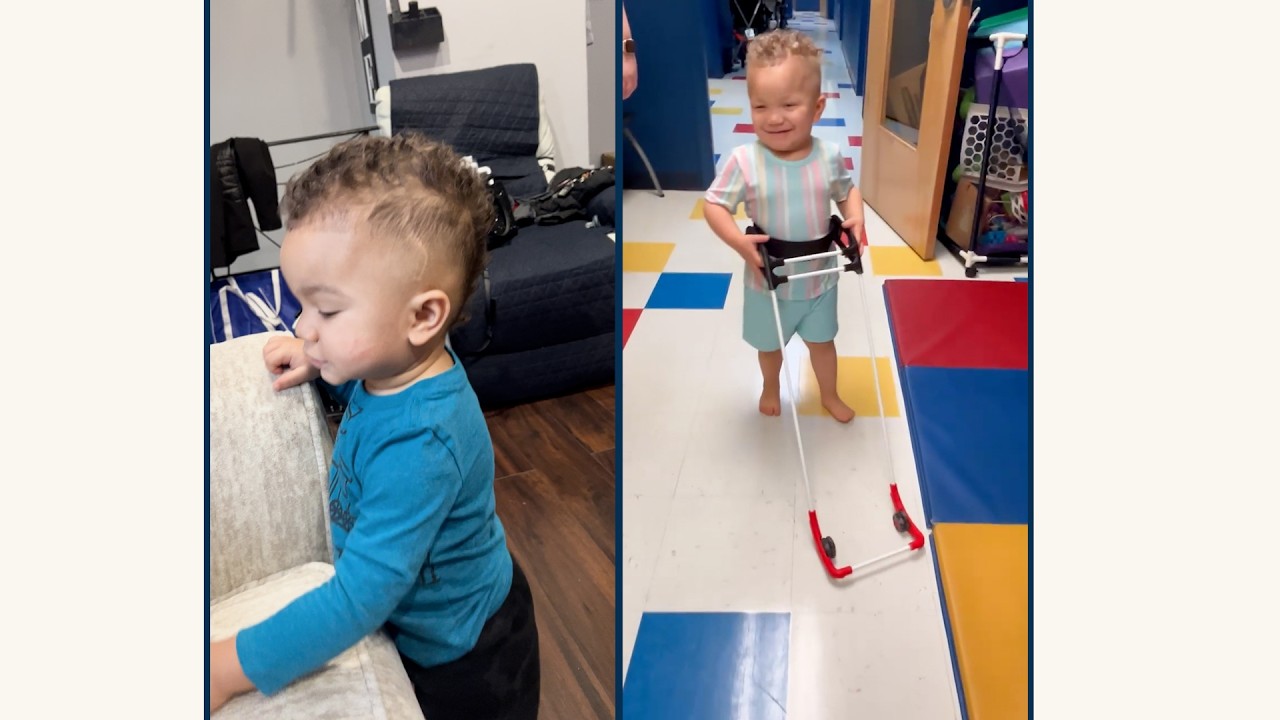
A blind toddler may walk quickly to a couch, wall, or helping hand and still be delayed in independent mobility. Our new YouTube video helps parents and professionals look beyond speed and recognize when a child is missing the information needed to move safely through open space.
Grace Ambrose-Zaken
Sep 8


The True Cost of Waiting: What Happens When a Blind Baby Has No Mobility Tool?
The first article in “The Cost of Waiting,” a series examining what happens when we fail to invest in appropriate mobility technology for young children with a mobility visual impairment or blindness.
Grace Ambrose-Zaken
Sep 3


Freedom to Explore: Supporting Children with a Mobility Visual Impairment/blind
Freedom means having room to move. Learn how the Pediatric Belt Cane gives blind children the touch information they need for safe, independent mobility.
Grace Ambrose-Zaken
Jun 23


Every Blind Child Deserves Independence
Every child deserves the freedom to explore. Read Wesley's inspiring story and discover how mobility support helped a blind toddler move toward people, play, and independence.
Grace Ambrose-Zaken
Jun 6


Why Walking Success in Blind Children Should Be Boring
Walking is one of the most celebrated milestones of childhood—and one of the first achievements we immediately take for granted. For blind children, however, independent walking has historically been delayed and often attributed to blindness itself. What happens when young children with blindness gain access to extended touch feedback that provides information about the world ahead of them? The answer may be surprisingly ordinary: walking becomes effortless, natural, and almo
Grace Ambrose-Zaken
Jun 2


Pop the Bubble Wrap: Why the Pediatric Belt Cane Makes Summer More Fun for Blind Kids
Excerpt: Want blind kids to take off the bubble wrap this summer? Start with what actually helps: a Pediatric Belt Cane, movement-rich play, and a healthy respect for touch as the star of the show.
Grace Ambrose-Zaken
May 27


Discover Exciting Activities for Children with Visual Impairments in the Safe Toddles Summer Blog Series 2026
Summer is a perfect time for children to explore, play, and learn through new experiences. For children with visual impairments or blindness who are now mobile using the Pediatric Belt Cane, finding engaging and accessible activities can be a challenge. The Safe Toddles Summer Blog Series 2026 is designed to fill this gap by offering weekly posts filled with fun activities, games, and challenges tailored specifically for children with visual, cognitive and motor impairments
Grace Ambrose-Zaken
May 20


What Blind Children Are Really Feeling When You Say “Take That Thing Off Her”: Why Extended Touch Feedback for Blind Children Matters
A viral video of a three-year-old girl climbing independently with a Pediatric Belt Cane sparked both praise and criticism online. But the backlash reveals a deeper societal bias: blind children have historically been denied the extended touch feedback they need for safe, confident, independent movement. This article explains why the Belt Cane is not “too much touch” — it is the equivalent of turning on the lights for a child who cannot rely on vision.
Grace Ambrose-Zaken
May 19


When Blindness Is Mistaken for “Behavior”: Why Blind Children With Intellectual Disabilities Need More Touch Feedback, Not Less
Maddox began using the Belt Cane at age 2. This short shows his progression toward independent mobility, including walking confidently through familiar environments, navigating school routines, and getting on and off the school bus—even in snowy conditions. Despite intellectual delays, he demonstrates strong spatial understanding and real-world independence through consistent tactile feedback and early mobility support.
Grace Ambrose-Zaken
May 9

From Tears to Triumph: Marlowe's Journey to Independence with the Belt Cane
We’re thrilled to share our newest YouTube video, “From Tears to Triumph: Marlowe’s Journey to Independence with the Belt Cane.” In this inspiring story, you’ll meet Marlowe, a three-year-old girl who is blind and, like many children with visual impairments, faced overwhelming challenges as she tried to navigate her world.
Beaux Jettson
Mar 11


It’s Never Too Late: How the Pediatric Belt Cane Unlocks Walking Confidence for Children with an MVI/B
At approximately 12 months, the eyes of sighted children have physically developed to adult proportions. This shift allows vision to become the dominant source of balance feedback for walking. The Pediatric Belt Cane provides what the developing MVI/B body needs: enhanced tactile feedback.
Grace Ambrose-Zaken
Feb 23


The Belt Cane Balance Advantage: The Walking Solution Parents Have Been Looking For
Clinical Ophthalmology published an article called The Role of a Pediatric Belt Cane in Children with Cerebral Visual Impairment a pilot study that used smartphone videos from 11 children with clinical diagnosed CVI at baseline and 8-week follow-up while wearing a Pediatric Belt Cane. Belt Cane use was associated with improved gait speed, with supportive improvements in step length and foot-mobility. That's because bipedal ambulation (walking) is not possible without unaltere
Grace Ambrose-Zaken
Jan 23


Discover How Pediatric Belt Canes Transform Mobility
Mobility tools for children with a visual impairment are specially designed to meet their unique needs. Unlike adults, children require devices that are lightweight, easy to handle, and adaptable to their smaller frames. The pediatric mobility tool category includes various aids, but the Belt Cane has gained attention for its practical benefits.
Grace Ambrose-Zaken
Jan 8


Celebrating Generosity: Ovintiv's Impact on Children with Visual Impairments
At Safe Toddles, we often find that the most meaningful support begins with a story. Today, we want to share one such story and express our deep gratitude to Ovintiv USA Inc. for their generous $5,000 donation through the 5 for a Cause employee giving initiative. This gift is more than financial support—it is a powerful reminder of how compassion and community can open doors for children with unique challenges.
Grace Ambrose-Zaken
Dec 23, 2025


Dr. Grace Ambrose-Zaken to Discuss the Pediatric Belt Cane on Eye On Vision
Dr. Grace Ambrose-Zaken was interviewed by Stephen Usery for an upcoming episode on the radio program Eye On Vision. The episode is scheduled to air at approximately 12:15 PM Eastern on Sunday, December 28, 2025, on FM 89.3 WYPL in Memphis. To catch this insightful interview, tune in to FM 89.3 WYPL on Sunday, December 28, 2025, at about 12:15 PM Eastern. If you are outside the Memphis area or prefer online listening, the station streams live at http://memphislibary.org/wypl
Beaux Jettson
Dec 22, 2025


Empowering Mobility with Pediatric Mobility Aids: A Guide to Belt Canes and More
When a child faces challenges with vision, mobility becomes a crucial part of their independence and confidence. Pediatric mobility aids are designed to support children in navigating their world safely and effectively. These tools are not just devices; they are bridges to freedom, exploration, and self-reliance. Today, I want to share insights about one such essential aid and the broader landscape of pediatric mobility aids that empower young lives.
Grace Ambrose-Zaken
Dec 11, 2025


Why Pediatric Belt Canes Improve Mobility: A Guide to Pediatric Mobility Aids
When it comes to helping children with visual impairments navigate the world safely and confidently, the right tools make all the difference. Pediatric mobility aids are designed specifically to meet the unique needs of young users. Among these aids, one stands out for its practicality and effectiveness: the pediatric belt cane. This tool is more than just a cane; it’s a bridge to independence, safety, and confidence for children learning to move through their environment.
Grace Ambrose-Zaken
Dec 1, 2025


The Benefits of Pediatric Belt Canes
Safety is paramount when it comes to overseeing the education and play of young children. The Pediatric Belt Cane plays a crucial role in reducing risks associated with immature cane handling. When a cane is dropped or misplaced, the child may be vulnerable to tripping or losing orientation. The belt eliminates these hazards by keeping the cane firmly attached.
Grace Ambrose-Zaken
Nov 24, 2025


Listen Today to Creating an Easier-to-Navigate World for Children
In the latest episode of the Ophthalmology Innovation Summit (OIS) Podcast, Creating an Easier-to-Navigate World for Children, Safe Toddles President and CEO Grace Ambrose-Zaken, Ph.D., joins host Robert Rothman to discuss her groundbreaking work developing the Pediatric Belt Cane—a first-of-its-kind mobility device that’s changing what’s possible for blind and visually impaired children.
Beaux Jettson
Nov 12, 2025
bottom of page