


Why Pediatric Belt Canes Improve Mobility: A Guide to Pediatric Mobility Aids
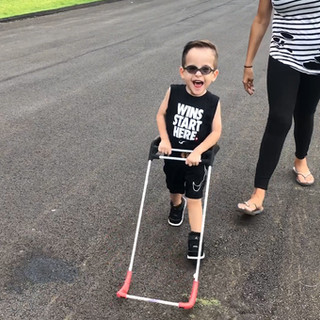
When it comes to helping children with visual impairments navigate the world safely and confidently, the right tools make all the difference. Pediatric mobility aids are designed specifically to meet the unique needs of young users. Among these aids, one stands out for its practicality and effectiveness: the Pediatric Belt Cane. This tool is more than just a white cane; it’s a bridge to independence, safety, and confidence for children learning to move through their environment.
Let’s explore why Pediatric Belt Canes improve mobility, how they fit into the broader category of pediatric mobility aids, and what makes them a valuable choice for children with visual impairments.
Understanding Pediatric Mobility Aids: What Are They and Why Do They Matter?
Pediatric mobility aids are specialized devices created to assist children with visual impairments or blindness in moving safely and independently. These aids are tailored to the size, strength, and developmental stage of children, ensuring they are both effective and comfortable to use.
Why are these aids so important? Imagine trying to navigate a busy street or a cluttered room without being able to see clearly. It’s daunting, even for adults. For children, the challenge is even greater because they are still learning about their surroundings and how to interact with them safely.
Pediatric mobility aids help by:
Providing tactile feedback about the environment
Alerting children to obstacles and changes in terrain
Encouraging safe and confident movement
Supporting the development of spatial awareness and orientation skills
Among these aids, the Pediatric Belt Cane offers a unique combination of support and freedom. It’s designed to be worn around the waist, allowing the child to use their hands freely while still receiving important environmental cues.

How Pediatric Belt Canes Enhance Mobility and Independence
You might wonder, what makes the Pediatric Belt Cane so effective? The answer lies in its design and functionality. Unlike traditional canes that require one hand to hold and maneuver, the belt cane is secured around the child’s waist. This setup offers several advantages:
Hands-Free Mobility: Children can use their hands for other tasks, such as holding a caregiver’s hand, carrying objects, or opening doors.
Consistent Environmental Feedback: The cane extends in front of the child, detecting obstacles and changes in surface texture, which helps the child anticipate and avoid hazards.
Improved Posture and Balance: Because the cane is attached to the waist, it encourages a natural walking posture and helps maintain balance.
Ease of Use: The Belt Cane is simple to put on and adjust, making it practical for daily use.
This design encourages children to explore their environment with confidence. They receive continuous feedback about what lies ahead without the need to constantly manipulate a handheld device. This can be especially helpful for younger children who are still developing fine motor skills.
If you want to explore options, consider checking out a belt cane designed specifically for pediatric use. It’s a practical tool that can make a big difference in a child’s mobility journey.
Who Qualifies for a White Cane?
White canes are a well-known mobility aid for individuals with visual impairments. But who exactly qualifies for using one, especially in the pediatric population?
Children who have significant visual impairments or blindness and require assistance in detecting obstacles and navigating safely are typically candidates for white canes. The decision to introduce a white cane depends on several factors:
Level of Visual Impairment: Children with severe vision loss benefit most from using a cane.
Age and Developmental Readiness: The child should be mature enough to understand how to use the cane safely and effectively.
Mobility Skills: Children who have developed basic walking skills and spatial awareness are better prepared to use a cane.
Training and Support: Proper orientation and mobility training are essential to ensure the child can use the cane confidently.
For younger children or those who need additional support, pediatric mobility aids like the belt cane can serve as an excellent introduction to cane use. They provide a safer, more manageable way to develop cane skills before transitioning to a traditional white cane.

Practical Tips for Using Pediatric Mobility Aids Effectively
Using pediatric mobility aids effectively requires more than just having the right equipment. It involves training, practice, and ongoing support. Here are some practical tips to help children get the most out of their mobility aids:
Start Early: Introduce mobility aids as soon as the child is learning to stand. Early exposure helps build familiarity and confidence.
Provide Professional Training: Work with orientation and mobility specialists who can teach proper techniques and safety skills.
Practice Safety is all Environments: Safe mobility is needed as much at home as in unfamiliar surroundings.
Encourage Consistent Use: Daily use during activities of daily living helps children develop muscle memory and spatial awareness.
Involve Caregivers: Parents and caregivers can use our Blind Baby Safe Mobility Curriculum to learn how to support and encourage the child’s use of mobility aids.
Customize the Aid: Ensure the mobility aid fits well and is comfortable. Adjustments may be needed as the child grows.
Celebrate Progress: Recognize and celebrate milestones to motivate continued learning and independence.
Remember, every child is unique. What works for one may need tweaking for another. Patience and persistence are key.
The Emotional and Social Benefits of Pediatric Mobility Aids
Mobility aids do more than just improve physical movement. They also have profound emotional and social impacts. When children can move independently, they experience a boost in self-esteem and confidence. They feel more in control of their environment and less reliant on others.
Socially, mobility aids open doors to new experiences and interactions. Children can participate more fully in school activities, playground games, and family outings. This inclusion fosters friendships and a sense of belonging.
Using a Pediatric Belt Cane or other mobility aids can also reduce anxiety for both children and their caregivers. Knowing that the child has a reliable tool to navigate safely brings peace of mind.
In short, these aids are not just about mobility - they are about empowerment.
Mobility is freedom. For children with visual impairments, pediatric mobility aids like the Belt Cane are keys that unlock that freedom. They provide safety, confidence, and independence. If you’re considering options, explore the benefits of a belt cane and see how it can transform a child’s journey through the world. With the right support and tools, every child can move forward with assurance and joy.


Comments