


Discover How Pediatric Belt Canes Transform Mobility
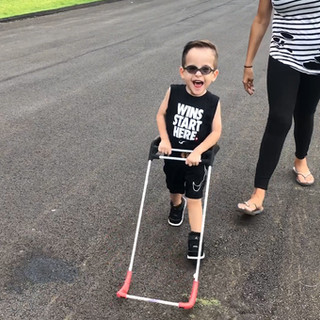
When it comes to helping children with visual impairments or blindness navigate the world, mobility tools are more than just aids - they are lifelines. Among these tools, the pediatric mobility tool known as the Belt Cane stands out for its unique design and effectiveness. I want to share how this innovative device can transform a child's independence and confidence, making everyday movement safer and more accessible.
Understanding the Pediatric Mobility Tool and Its Importance
Mobility tools for children with a visual impairment are specially designed to meet their unique needs. Unlike adults, children require devices that are lightweight, easy to handle, and adaptable to their smaller frames. The pediatric mobility tool category includes various aids, but the Belt Cane has gained attention for its practical benefits.
Why is this important? Because mobility is not just about moving from point A to point B. It’s about freedom, exploration, and self-reliance. When a child can move confidently, they engage more fully with their environment, learn better, and build social connections. The right tool can make all the difference.
What Makes the Belt Cane Special?
The Belt Cane is a wearable cane frame that attaches to a specially crafted belt. This design keeps the cane in the action without the child needing to carry it in their hands constantly. It’s a clever solution that encourages natural early mobility tool use and reduces the risk of the cane being misplaced or forgotten.

The Belt Cane’s design also promotes better posture and natural movement. Because it’s anchored at the waist, it moves with the child’s body, providing consistent feedback about obstacles and terrain. This helps children develop spatial awareness and confidence in their steps.
How the Pediatric Mobility Tool Enhances Daily Life
Imagine a child navigating a busy playground or walking to school. Without the right support, these everyday activities can be daunting. The pediatric mobility tool belt cane changes that experience by offering several key advantages:
Hands-Free Convenience: Children can use their hands for balance, holding a caregiver’s hand, or carrying items.
Constant Deployment: The cane is always reaching 2-steps ahead, so children can easily respond to surface changes.
Encourages Independence: With the cane attached, children feel more in control of their movement.
Durability and Comfort: Designed with child-friendly materials, the Belt Cane is both sturdy and comfortable to wear.
These benefits translate into real-world improvements. For example, a child who previously hesitated to walk alone may now feel empowered to explore their neighborhood or participate in group activities. The Belt Cane supports this growth by making mobility safer and more intuitive.

Who Qualifies for a Belt Cane?
The Belt Cane is a fantastic tool and it’s important to understand who typically qualifies for using a Belt Cane, which is the standard mobility aid for toddlers with visual impairments and multiply impaired children. Generally, children of any age who have significant vision loss or blindness require the protection of a mobility device.
A white cane mobility device, including pediatric versions like the Belt Cane, depends on several factors:
Level of Vision Impairment: Those with limited or no vision to avoid obstacles benefit most from touch feedback positioned two-steps ahead.
Age and Size: Pediatric canes are sized and designed for children’s needs.
Training and Support: Proper instruction from mobility specialists ensures safe and effective use all day long.
If you’re considering a Belt Cane for a child, consult with our certified orientation and mobility specialists on staff. They can assess the child’s needs and recommend the best tools and training.
Practical Tips for a Child Using the Belt Cane all Day
Introducing a new mobility tool can be a big step for both children and caregivers. Here are some practical tips to make the transition smooth and positive:
Start with Confidence: Understand what the Belt Cane is and how it helps. Use simple language and relate it to the child’s experiences.
Teachable moments: Show how to attach, detach, and use the cane as a probe. Wear everywhere.
Wear everywhere: Make the cane part of daily routines to build comfort and habit.
Celebrate Progress: Praise the child’s efforts and milestones to boost confidence.
Stay Patient: Every child adapts at their own pace. Offer support and encouragement along the way.
Remember, the goal is to empower the child. The Belt Cane is an essential tool for independence, and with time, it becomes a trusted companion.

Looking Ahead: The Future of Pediatric Mobility Tools
The world of pediatric mobility tools is evolving rapidly. Innovations like the Belt Cane reflect a growing understanding of children’s unique needs and the importance of fostering independence from an early age. As technology advances, we can expect even more personalized and adaptive solutions.
For now, the Belt Cane offers a practical, effective way to transform mobility for children with visual impairments. It’s a small device with a big impact - helping children step out into the world with confidence and curiosity.
If you want to explore more about this incredible tool, check out the Belt Cane and see how it can make a difference in your child’s life.
Empowering Mobility, One Step at a Time
Mobility is a journey, not just a destination. Every step a child takes with the right support is a step toward greater independence and joy. The Pediatric Belt Cane is more than just a device - it’s a bridge to new experiences, friendships, and opportunities.
So, why wait? Embrace the possibilities that come with the right mobility tools. Watch as your child’s world expands, one confident step at a time.


Comments