


Empowering Mobility with Pediatric Mobility Aids: A Guide to Belt Canes and More
When a child faces challenges with vision, mobility becomes a crucial part of their independence and confidence. Pediatric mobility aids are designed to support children in navigating their world safely and effectively. These tools are not just devices; they are bridges to freedom, exploration, and self-reliance. Today, I want to share insights about one such essential aid and the broader landscape of pediatric mobility aids that empower young lives.
Understanding Pediatric Mobility Aids: Tools for Independence
Pediatric mobility aids come in various forms, each tailored to meet the unique needs of children with visual impairments or blindness. These aids help children move confidently, avoid obstacles, and engage with their environment. From canes to electronic devices, the goal is to enhance safety and autonomy.
Some common mobility aids include:
Adult long white canes: Traditional tools for detecting obstacles and changes in terrain.
Electronic travel aids: Devices that use sensors to alert users to nearby objects.
Guide harnesses and leashes: For younger children who need close supervision.
Belt canes: Innovative aids that combine the benefits of an adult long cane with hands-free convenience.
Each aid serves a specific purpose, and choosing the right one depends on the child's age, abilities, and environment. The right mobility aid can transform a child's experience, turning uncertainty into confidence.

The Role of Belt Canes in Pediatric Mobility
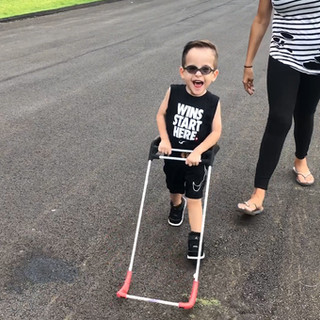
Let’s talk about the Belt Cane. Imagine a tool that offers the safety of a adult long cane but frees up a child’s hands to explore, play, or carry items. That’s exactly what a Belt Cane does. It attaches securely around the waist, allowing the child to detect obstacles without holding a cane in their hand all the time.
Why is this important? Because children need to use their hands for so many things - from holding a caregiver’s hand to picking up toys or opening doors. The Belt Cane provides continuous feedback about the environment while giving children the freedom to use their hands naturally.
Here’s how a belt cane empowers mobility:
Hands-free operation: The cane shape naturally scans the surface as the child walks, detecting obstacles.
Comfort and convenience: Lightweight and custom made, designed specifically for children.
Safety and confidence: Helps children avoid hazards while encouraging independent movement.
If you’re considering a mobility aid for a child, the belt cane is worth exploring. It’s a practical, child-friendly option that supports both safety and independence.

Who Qualifies for a White Cane?
You might wonder, who exactly should use a white cane? The answer is broader than you might think. White canes are not just for adults; children benefit from them as well. The key is assessing the child’s vision.
Children qualify for a white cane are those who have mobility visual impairment or blindness.
Cortical Visual Impairment
Septo-optic Dysplasia
Retinopathy of Prematurity, etc...
Including those with motor and intellectual disabilities
Introducing a white cane mobility tool early is essential for children with a mobility visual impairment or blindness to build confidence and independence. It’s important to work with orientation and mobility specialists who can tailor training to the child’s needs. Remember, the goal is not just to use the cane but to use it well during their recommended hours of activities of daily living.
Practical Tips for Supporting Children with Mobility Aids
Supporting a child with a mobility aid involves more than just providing the device. It’s about creating an environment that encourages learning, exploration, and confidence. Here are some practical tips:
Start early: Introduce mobility aids as soon as the child is ready. Early use helps build skill.
Provide training: Work with professionals who specialize in orientation and mobility for children.
Use during recommended hours of physical activity: Safe, supervised use in natural environments helps children succeed.
Be patient: Learning to use a mobility aid takes time. Celebrate small victories.
Create safe spaces: At home and school, ensure adults are clear and informed about the absolute necessity of constant mobility tool use.
Involve peers: Encourage friends and classmates to understand and support the child’s use of mobility aids during play and organized sports.
By combining the right tools with supportive strategies, children can thrive and enjoy greater independence.
Looking Ahead: The Future of Pediatric Mobility Aids
Technology and innovation continue to shape the future of pediatric mobility aids. From smart canes with GPS to wearable sensors that provide real-time feedback, the possibilities are expanding. But no matter how advanced the technology becomes, the core mission remains the same: to empower children to move safely and confidently.
As caregivers and supporters, staying informed about new developments and advocating for access to these aids is vital. Every child deserves the chance to explore their world without limits.
If you’re interested in exploring options, consider checking out specialized products like the Belt Cane. It’s a great example of how thoughtful design can make a big difference.
Mobility aids are more than tools - they are keys to independence, confidence, and joy. By understanding the options and supporting children with care and patience, we can help them navigate their world with courage and curiosity. Keep exploring, keep encouraging, and watch as these young adventurers take confident steps into their bright futures.


Comments