top of page


Balanced, Protected, and Informed O&M for Active Daily Living
Dr. Grace Ambrose-Zaken
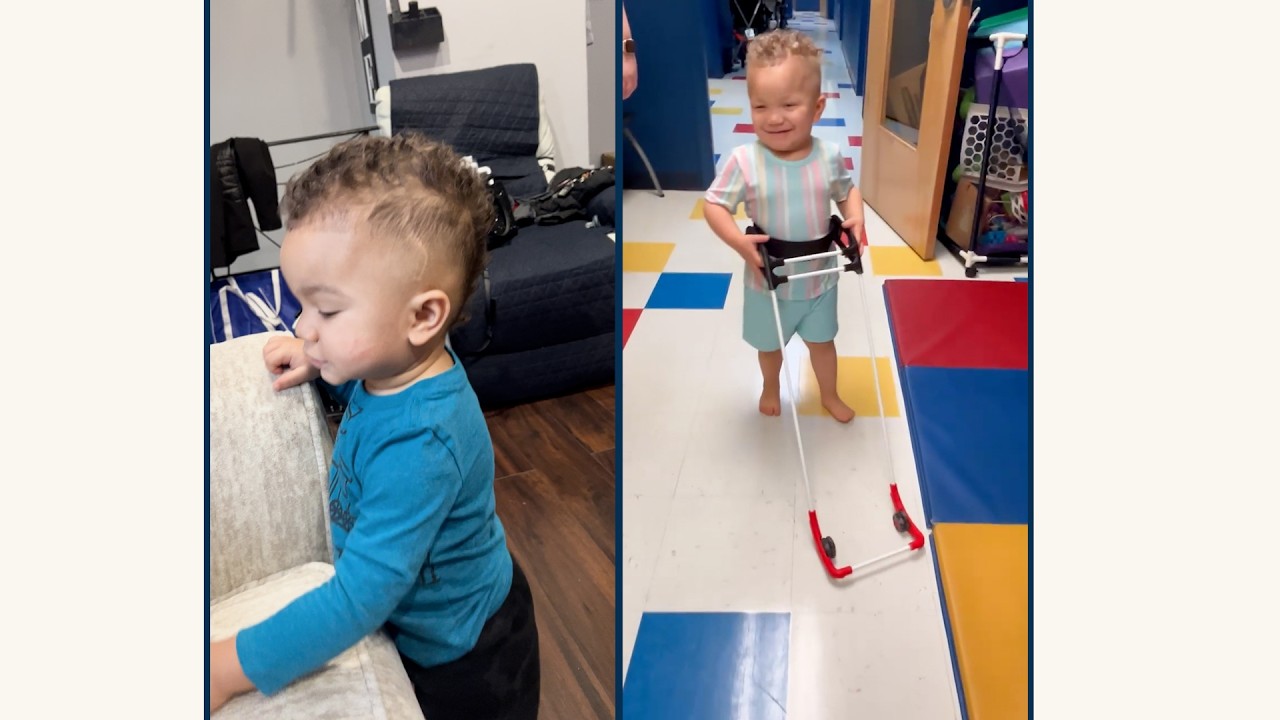
Greater Expectations: When a Blind Toddler’s Walking Delay Is Easy to Miss
A blind toddler may walk quickly to a couch, wall, or helping hand and still be delayed in independent mobility. Our new YouTube video helps parents and professionals look beyond speed and recognize when a child is missing the information needed to move safely through open space.
Grace Ambrose-Zaken
Sep 8


🚨 ALERT! The Definition of an AMD Has Changed
And if you work with blind babies and toddlers, you need to know what this means. There is something buried in the newest edition of Foundations of Orientation and Mobility that parents of blind children—and the professionals serving them—should pay attention to. Mobility tools made easy for blind kids are used in more places. The 4th edition of Foundations of Orientation and Mobility, published in 2024, is presented as a major professional reference for O&M students and prac
Grace Ambrose-Zaken
Sep 5


The True Cost of Waiting: What Happens When a Blind Baby Has No Mobility Tool?
The first article in “The Cost of Waiting,” a series examining what happens when we fail to invest in appropriate mobility technology for young children with a mobility visual impairment or blindness.
Grace Ambrose-Zaken
Sep 3


Why the Cane Frame Needs to Be Obvious
The cane frame is obvious for a reason. The See My Cane Frame campaign helps sighted people understand why visible Belt Canes give blind children clearer next-step confidence, protected personal space, and pride in moving independently.
Grace Ambrose-Zaken
Aug 11

Preparing Your Child with an MVI/B to Navigate School with Confidence
Extended touch feedback gives blind children the confidence to navigate school independently. Learn simple summer activities that prepare your child to wear a Pediatric Belt Cane throughout the school day.
Grace Ambrose-Zaken
Jul 13

Preparing Your Child with MVI/B mobility for the First Day of School: A Checklist
Preparing your blind child for the first day of school starts long before the school bell rings. Discover fun summer activities that build independent mobility, confidence, and school readiness through extended touch feedback with the Pediatric Belt Cane.
Grace Ambrose-Zaken
Jul 12


Every Blind Child Deserves Independence
Every child deserves the freedom to explore. Read Wesley's inspiring story and discover how mobility support helped a blind toddler move toward people, play, and independence.
Grace Ambrose-Zaken
Jun 6


Celebrate Mother's Day with Our Heartwarming Video and Support a Great Cause
Mother’s Day is a special time to honor the incredible role mothers play in our lives. This year, we invite you to experience a touching video that captures the essence of motherhood. The video shows mothers around the world helping their blind children with Belt Canes, simple yet powerful moments that highlights a mother's care, patience, and love.
Grace Ambrose-Zaken
May 9


Understanding Blind Walking: How Extended Touch Enables Balanced Walking
Mobility tools (Belt Cane, rectangular cane, long cane, and human guide) all share a common feature, they provide body-to-device-to-surface link. They allow the blind person to touch the ground ahead this additional sensory information helps stabilize walking in much the same way vision does. When a cane touches the ground, it sends signals to the brain about the surface and body position, acting as an extension of the sensory system.
Grace Ambrose-Zaken
Jan 28


The Belt Cane Balance Advantage: The Walking Solution Parents Have Been Looking For
Clinical Ophthalmology published an article called The Role of a Pediatric Belt Cane in Children with Cerebral Visual Impairment a pilot study that used smartphone videos from 11 children with clinical diagnosed CVI at baseline and 8-week follow-up while wearing a Pediatric Belt Cane. Belt Cane use was associated with improved gait speed, with supportive improvements in step length and foot-mobility. That's because bipedal ambulation (walking) is not possible without unaltere
Grace Ambrose-Zaken
Jan 23


Why Pediatric Belt Canes Improve Child Mobility: A Pediatric Mobility Aid Guide
When a child faces challenges with mobility due to visual impairment or blindness, every step can feel like a mountain to climb. But what if there was a way to make those steps easier, safer, and more confident? That’s where pediatric mobility aids come into play. Among these, the Belt Cane stands out as a remarkable tool that can transform a child’s independence and daily life. Let’s explore why Pediatric Belt Canes improve child mobility and how they can make a real differ
Beaux Jettson
Jan 22


Discover How Pediatric Belt Canes Transform Mobility
Mobility tools for children with a visual impairment are specially designed to meet their unique needs. Unlike adults, children require devices that are lightweight, easy to handle, and adaptable to their smaller frames. The pediatric mobility tool category includes various aids, but the Belt Cane has gained attention for its practical benefits.
Grace Ambrose-Zaken
Jan 8


Dr. Grace Ambrose-Zaken to Discuss the Pediatric Belt Cane on Eye On Vision
Dr. Grace Ambrose-Zaken was interviewed by Stephen Usery for an upcoming episode on the radio program Eye On Vision. The episode is scheduled to air at approximately 12:15 PM Eastern on Sunday, December 28, 2025, on FM 89.3 WYPL in Memphis. To catch this insightful interview, tune in to FM 89.3 WYPL on Sunday, December 28, 2025, at about 12:15 PM Eastern. If you are outside the Memphis area or prefer online listening, the station streams live at http://memphislibary.org/wypl
Beaux Jettson
Dec 22, 2025


Empowering Mobility with Pediatric Mobility Aids: A Guide to Belt Canes and More
When a child faces challenges with vision, mobility becomes a crucial part of their independence and confidence. Pediatric mobility aids are designed to support children in navigating their world safely and effectively. These tools are not just devices; they are bridges to freedom, exploration, and self-reliance. Today, I want to share insights about one such essential aid and the broader landscape of pediatric mobility aids that empower young lives.
Grace Ambrose-Zaken
Dec 11, 2025


Enhancing Mobility for Visually Impaired Children with Belt Canes
Mobility tools for vision impaired children are designed to help them detect obstacles, understand their environment, and move safely. These tools range from traditional long canes to more innovative devices like the belt cane. Each tool has its unique benefits and applications.
Grace Ambrose-Zaken
Nov 3, 2025


🌟 White Cane Day Has New Meaning for the Youngest Explorers
White Cane Day has new meaning for children who are blind from birth. With the Pediatric Belt Cane and Rectangular AMD, even toddlers can now join the celebration — walking safely and independently using touch for balance, protection, and exploration.
Grace Ambrose-Zaken
Oct 13, 2025


The William G. and Helen C. Hoffman Foundation Renews Support for Safe Toddles with a $30,000 Grant to Advance Early Mobility for Blind Children
Safe Toddles receives a $30,000 grant from the William G. and Helen C. Hoffman Foundation—their second year of support—to expand early mobility access for blind children through Pediatric Belt Canes, training, and family outreach.
Beaux Jettson
Oct 10, 2025


🧭 Navigating with Confidence: The Role of Pediatric Belt Canes in Empowering Children with Visual Impairments
Children begin learning to navigate their world from the moment they start moving. For children with blindness or mobility-related visual impairments, this process can be more complex — but no less vital.
Traditional mobility tools like long canes often aren’t introduced until school age, which can delay critical stages of physical and cognitive development. The Pediatric Belt Cane, however, provides the tactile input needed to safely begin independent movement as early as 1
Grace Ambrose-Zaken
Sep 17, 2025
bottom of page