


Supporting Mobility with Pediatric Belt Cane
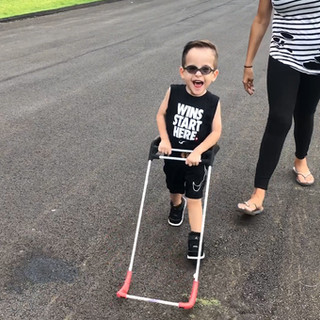
When a child faces challenges with mobility due to a visual impairment or blindness, every step can feel like a mountain to climb. But what if there was a simple, effective tool that could empower them to move with confidence and independence? Enter the Pediatric Belt Cane. This device is more than just a mobility aid; it’s a bridge to freedom, safety, and self-assurance. Let’s explore how this innovative tool supports young children in navigating their world.
Understanding the Pediatric Belt Cane
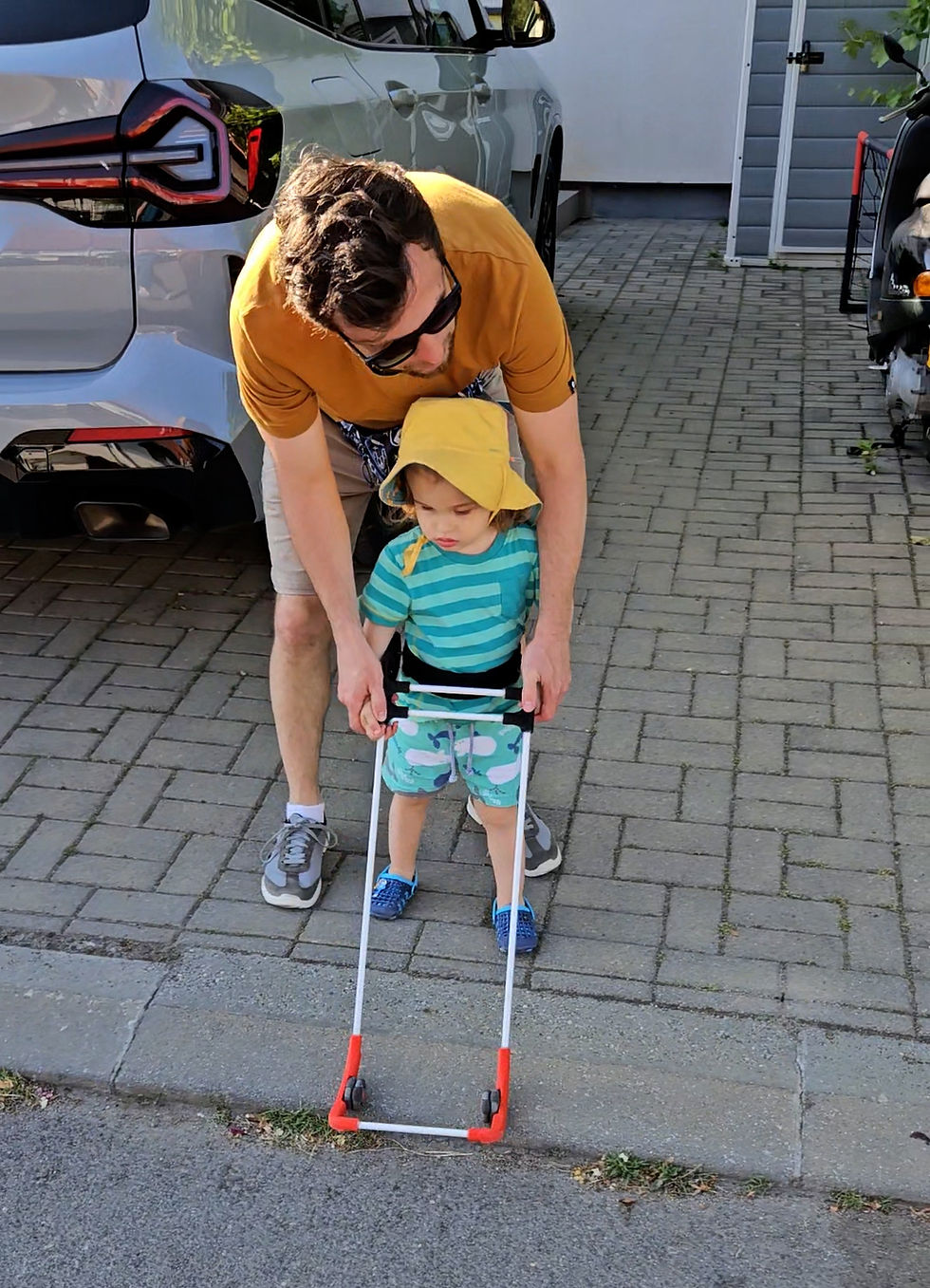
A Pediatric Belt Cane is designed specifically for children who need assistance with mobility. Unlike traditional canes, which can be cumbersome or difficult for small hands to manage, the Pediatric Belt Cane offers a hands-free solution. It wraps securely around the child’s waist, allowing the cane frame to be attached and easily accessible without the child having to hold it constantly.
This design encourages natural movement and reduces the risk of dropping or losing the protective cane. Imagine a child walking through a busy park or a crowded school hallway. The belt keeps the cane in position for constant touch feedback to fill in the gaps caused by blindness. This balance of accessibility and convenience is crucial for young users who are still developing their coordination and confidence.
The Pediatric Belt Cane also promotes better posture and balance. By distributing the weight of the cane around the waist, it prevents strain on the arms and shoulders. This can make a significant difference during long walks or active play, where fatigue might otherwise set in quickly.

Benefits of Using a Pediatric Belt Cane
Why choose a Pediatric Belt Cane over other mobility aids? The answer lies in its unique combination of safety, independence, and comfort. Here are some key benefits:
Hands-Free Mobility: Children can use their hands for other tasks, such as holding a caregiver’s hand or carrying a backpack.
Improved Safety: The cane frame is always in use, reducing the chance of falls or accidents.
Enhanced Independence: Kids feel more in control of their movement, boosting their confidence.
Comfort and Fit: The structured belt ensures the device fits snugly without restricting movement.
Durability: Made from sturdy materials, the belt withstands active play and daily use.
For example, a child navigating a busy classroom can move quickly knowing the cane will constantly send back protective feedback when moving through tight spaces. This reliability helps them stay engaged and focused on their activities rather than worrying about managing their mobility aid.
Who qualifies for a white cane?
White canes are essential tools for individuals with a mobility visual impairment or blindness, but not every child automatically needs one. Children whose visual impairment prevents them from visual obstacle detection while moving need white cane protection.
Professionals such as orientation and mobility specialists assess the child’s needs, skills, and environment before recommending a cane. They consider factors like:
The child’s level of vision and ability to visually detect obstacles when moving
Motor skills and coordination
Confidence and willingness to move independently
The environments the child frequents (home, school, community)
Once a child's vision impairment is recognized as a mobility visual impairment or blindness, integration of the Pediatric Belt Cane into activities of daily living should begin immediately. The protective cane frame is essential for teaching use of cane for safety awareness. The Pediatric Belt Cane is essential component of learning independence, making the transition to the long cane smoother and more manageable.

How to Obtain the Right Pediatric Belt Cane
Selecting the right Pediatric Belt Cane involves more than just picking a size. Here are some practical tips to ensure you find the best fit and functionality:
Measure Carefully: Use the child’s waist measurement to choose the correct belt size. The 20% growth kit offers flexibility as the child grows.
Ease of Use: The belt is simple to fasten and unfasten, even for caregivers who may need to assist quickly.
Compatibility: Ensure the belt size works with the specific cane frame size your child needs.
Safety Features: Reflective strips or bright colors can enhance visibility in low-light conditions.
Comfort: Padding or soft edges prevent chafing during extended wear.
Remember, the goal is to make the child’s mobility experience as smooth and positive as possible. Don’t hesitate to involve the child in the selection process. Their feedback on comfort and ease of use is invaluable.
Tips for Encouraging Mobility Independence
Supporting a child’s journey toward independent mobility requires patience, encouragement, and the right tools. Here are some actionable recommendations:
Use during ADLs: Create safe, familiar environments where the child can always wear their Pediatric Belt Cane.
Celebrate Small Wins: Every step taken independently is a victory worth acknowledging.
Incorporate Play: Laugh, challenge, and teach ADLs through playing games to keep the child engaged and motivated while protected.
Educate Peers and Family: Awareness helps build a supportive community around the child.
Stay Positive: Challenges will arise, but a positive attitude fosters resilience and growth.
By combining these strategies with the practical benefits of a Pediatric Belt Cane, children can develop the skills and confidence they need to explore their world safely.
Moving Forward with Confidence
Mobility is more than just physical movement; it’s about freedom, exploration, and self-expression. The Pediatric Belt Cane is a powerful tool that helps children with a mobility visual impairment or blindness take control of their journey. It’s a small device with a big impact, offering safety, independence, and comfort in every step.
If you’re considering options to support a child’s mobility, take a closer look at the Belt Cane and how it can fit into your child’s life. With the right support, every child can move forward with confidence and joy.


Comments