top of page


Balanced, Protected, and Informed O&M for Active Daily Living
Dr. Grace Ambrose-Zaken
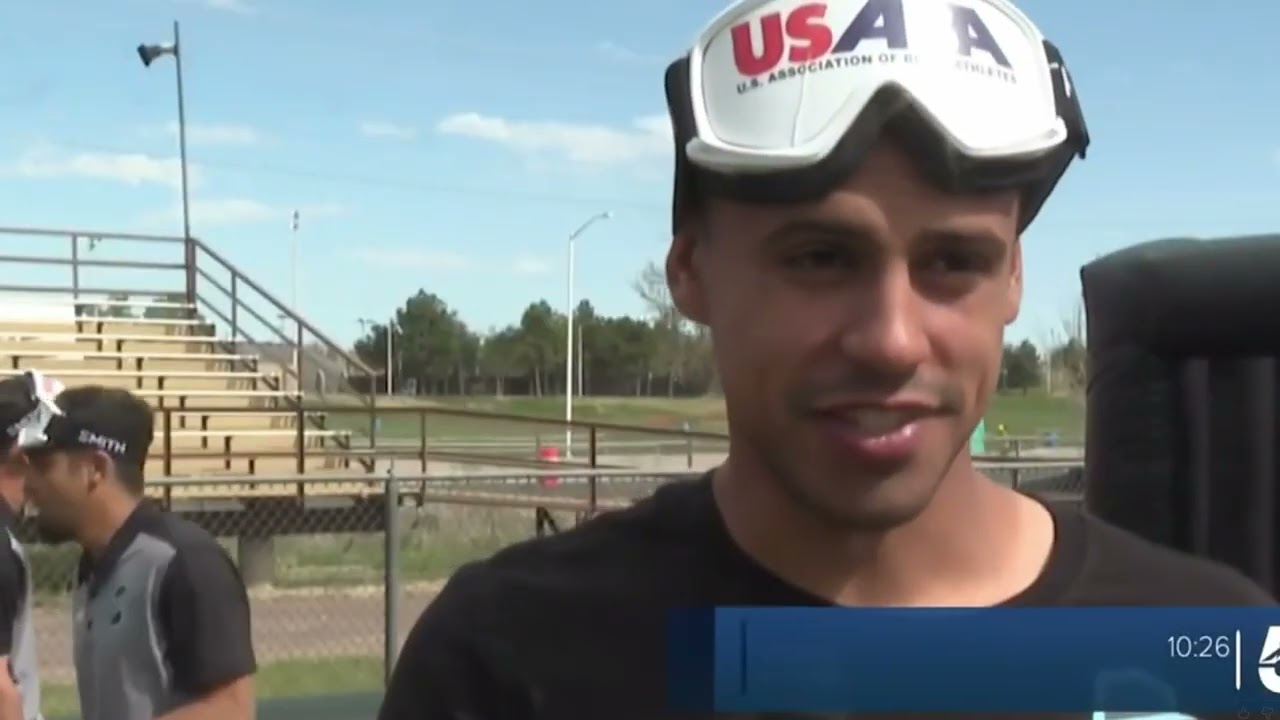
White Cane Day: What If We Changed the Game Instead of Asking Blind Children to Leave Their Mobility Tools Behind?
What happens when the rules of a sport require a blind child to leave their mobility tool on the sidelines before stepping onto the playing field?
For White Cane Day, Safe Toddles invites you to look beyond the rules of blind soccer and consider a more fundamental question: Are we adapting activities to meet the needs of blind children, or asking blind children to adapt to activities that were never designed with their needs in mind?
Grace Ambrose-Zaken
Oct 14


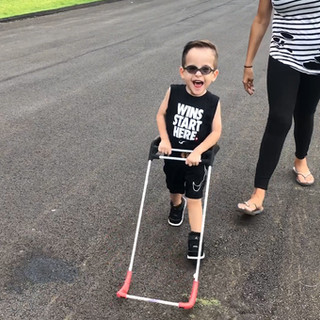
Stop Underestimating Blind Kids
Touch is the sense that blind children use to learn about their world. Blindness/mobility visual impairment accesses same information through touch. And when we don't extend their touch, we risk underestimating what they can truly do.
Grace Ambrose-Zaken
Sep 24


12 New York Children Can Receive a Pediatric Belt Cane and Training
The grant award will help Safe Toddles place mobility tools directly into the hands of children aged 10 months and older. It will also support training so each recipient has help learning how the Belt Cane fits into daily movement, exploration, and safe travel.
Beaux Jettson
Sep 9
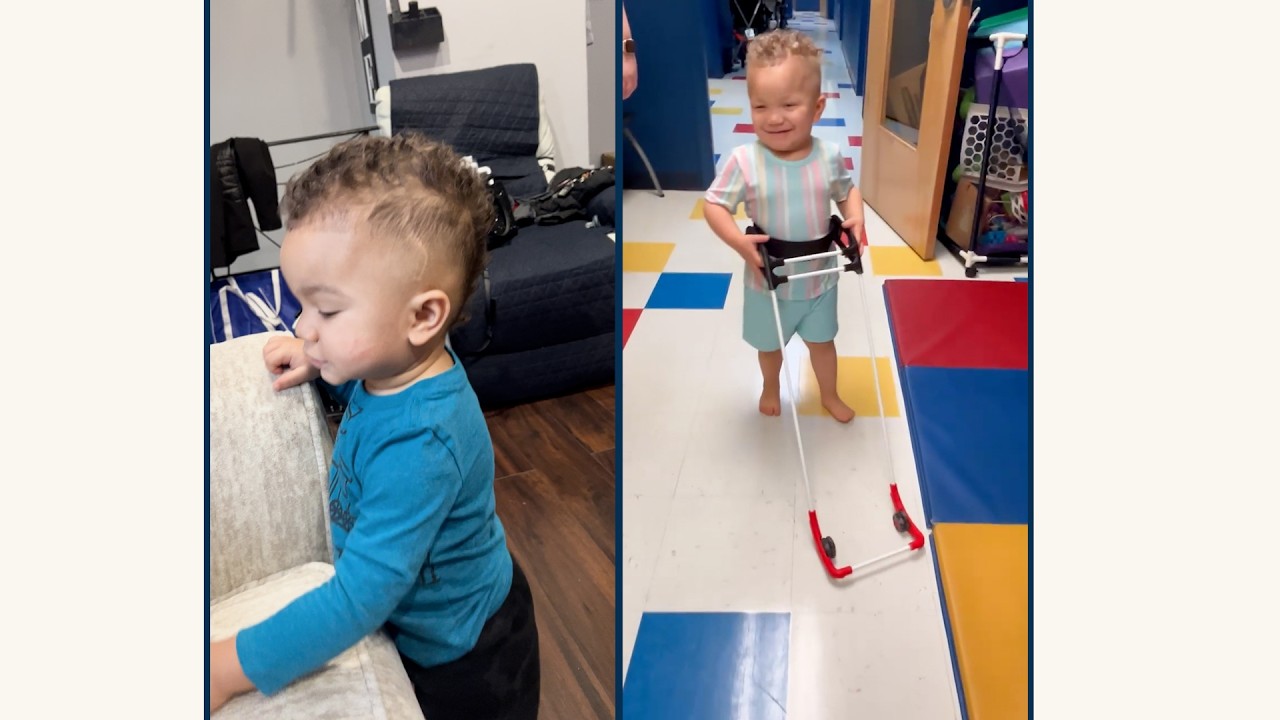
Greater Expectations: When a Blind Toddler’s Walking Delay Is Easy to Miss
A blind toddler may walk quickly to a couch, wall, or helping hand and still be delayed in independent mobility. Our new YouTube video helps parents and professionals look beyond speed and recognize when a child is missing the information needed to move safely through open space.
Grace Ambrose-Zaken
Sep 8


🚨 ALERT! The Definition of an AMD Has Changed
And if you work with blind babies and toddlers, you need to know what this means. There is something buried in the newest edition of Foundations of Orientation and Mobility that parents of blind children—and the professionals serving them—should pay attention to. Mobility tools made easy for blind kids are used in more places. The 4th edition of Foundations of Orientation and Mobility, published in 2024, is presented as a major professional reference for O&M students and prac
Grace Ambrose-Zaken
Sep 5

When does a child need a mobility device?
When deciding whether a blind child needs a mobility device, are we asking the right questions? A clearer developmental framework starts with the child's need for protection and environmental information—not motivation, cane failure, social acceptability, or other unnecessary barriers.
Grace Ambrose-Zaken
Sep 1


Understanding Mobility for Blind Children: The Importance of Active Exploration
The narrative that blind toddlers are lacking sensory information needed to entice them to walk is true. But it can't be vision...they don't know what sight is. Blind toddlers know and love touch feedback, and the cane frame allows them to claim the space ahead of themselves and use tactile signals from the cane frame to move with self-reliance.
Grace Ambrose-Zaken
Aug 25


Why the Cane Frame Needs to Be Obvious
The cane frame is obvious for a reason. The See My Cane Frame campaign helps sighted people understand why visible Belt Canes give blind children clearer next-step confidence, protected personal space, and pride in moving independently.
Grace Ambrose-Zaken
Aug 11

Preparing Your Child with an MVI/B to Navigate School with Confidence
Extended touch feedback gives blind children the confidence to navigate school independently. Learn simple summer activities that prepare your child to wear a Pediatric Belt Cane throughout the school day.
Grace Ambrose-Zaken
Jul 13


Every Blind Child Deserves Independence
Every child deserves the freedom to explore. Read Wesley's inspiring story and discover how mobility support helped a blind toddler move toward people, play, and independence.
Grace Ambrose-Zaken
Jun 6


Pop the Bubble Wrap: Why the Pediatric Belt Cane Makes Summer More Fun for Blind Kids
Excerpt: Want blind kids to take off the bubble wrap this summer? Start with what actually helps: a Pediatric Belt Cane, movement-rich play, and a healthy respect for touch as the star of the show.
Grace Ambrose-Zaken
May 27


Discover Exciting Activities for Children with Visual Impairments in the Safe Toddles Summer Blog Series 2026
Summer is a perfect time for children to explore, play, and learn through new experiences. For children with visual impairments or blindness who are now mobile using the Pediatric Belt Cane, finding engaging and accessible activities can be a challenge. The Safe Toddles Summer Blog Series 2026 is designed to fill this gap by offering weekly posts filled with fun activities, games, and challenges tailored specifically for children with visual, cognitive and motor impairments
Grace Ambrose-Zaken
May 20


You Are Not Alone
You Are Not Alone If you’ve been feeling this—if you’ve been quietly wondering, worrying, or questioning
You are not alone. There is nothing wrong with your blind child’s desire to move forward. They just need the right way to get there. And that is something we can change.
Grace Ambrose-Zaken
Mar 31


Walking Has a Purpose: From First Steps to Meaningful Movement
Walking starts as a goal—then becomes a gateway. What once felt like a distant milestone becomes routine—and that’s exactly the point. Because once a child walks well, the world opens.
Grace Ambrose-Zaken
Mar 23


What Is the Goal of the Push Toy for MVI/B Toddlers?
Where Push Toys Fall Short
Push toys were never designed as mobility tools. And when you look at them through that lens, the limitations are obvious:
They don’t travel well (try fitting one in a car or airplane)
They don’t function in real environments (grass, gravel, uneven terrain)
They’re difficult to steer and control
They don’t fit into daily life (classrooms, tight spaces)
They offer no practical strategy for stairs
Grace Ambrose-Zaken
Mar 22

From Tears to Triumph: Marlowe's Journey to Independence with the Belt Cane
We’re thrilled to share our newest YouTube video, “From Tears to Triumph: Marlowe’s Journey to Independence with the Belt Cane.” In this inspiring story, you’ll meet Marlowe, a three-year-old girl who is blind and, like many children with visual impairments, faced overwhelming challenges as she tried to navigate her world.
Beaux Jettson
Mar 11


It’s Never Too Late: How the Pediatric Belt Cane Unlocks Walking Confidence for Children with an MVI/B
At approximately 12 months, the eyes of sighted children have physically developed to adult proportions. This shift allows vision to become the dominant source of balance feedback for walking. The Pediatric Belt Cane provides what the developing MVI/B body needs: enhanced tactile feedback.
Grace Ambrose-Zaken
Feb 23


Who Is Advocating for the Quiet Blind Child?
Allow blind children to wear the Pediatric Belt Cane—a mobility solution that extends touch feedback at the moment it is needed most, during early walking.
Allow them to move independently now, not someday.
Allow them to build balance through information, not fear.
Allow them to walk safely until they are old enough to speak for themselves and advocate for a long cane.
Grace Ambrose-Zaken
Feb 1


Why Pediatric Belt Canes Improve Child Mobility: A Pediatric Mobility Aid Guide
When a child faces challenges with mobility due to visual impairment or blindness, every step can feel like a mountain to climb. But what if there was a way to make those steps easier, safer, and more confident? That’s where pediatric mobility aids come into play. Among these, the Belt Cane stands out as a remarkable tool that can transform a child’s independence and daily life. Let’s explore why Pediatric Belt Canes improve child mobility and how they can make a real differ
Beaux Jettson
Jan 22


Discover How Pediatric Belt Canes Transform Mobility
Mobility tools for children with a visual impairment are specially designed to meet their unique needs. Unlike adults, children require devices that are lightweight, easy to handle, and adaptable to their smaller frames. The pediatric mobility tool category includes various aids, but the Belt Cane has gained attention for its practical benefits.
Grace Ambrose-Zaken
Jan 8
bottom of page