top of page


Balanced, Protected, and Informed O&M for Active Daily Living
Dr. Grace Ambrose-Zaken


Stop Underestimating Blind Kids
Touch is the sense that blind children use to learn about their world. Blindness/mobility visual impairment accesses same information through touch. And when we don't extend their touch, we risk underestimating what they can truly do.
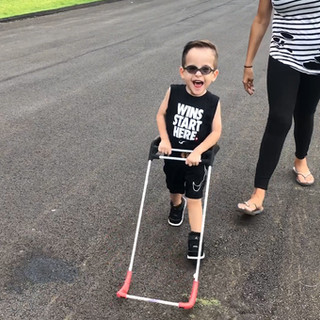
Grace Ambrose-Zaken
Sep 24
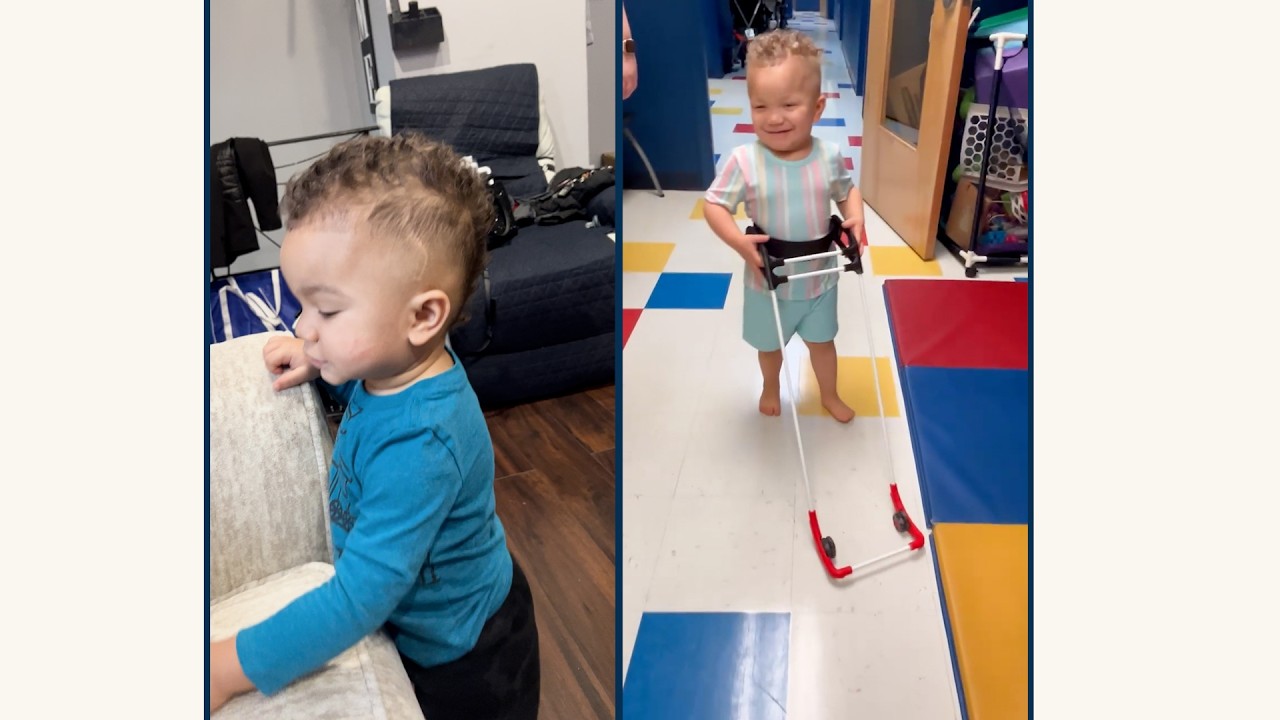
Greater Expectations: When a Blind Toddler’s Walking Delay Is Easy to Miss
A blind toddler may walk quickly to a couch, wall, or helping hand and still be delayed in independent mobility. Our new YouTube video helps parents and professionals look beyond speed and recognize when a child is missing the information needed to move safely through open space.
Grace Ambrose-Zaken
Sep 8


🚨 ALERT! The Definition of an AMD Has Changed
And if you work with blind babies and toddlers, you need to know what this means. There is something buried in the newest edition of Foundations of Orientation and Mobility that parents of blind children—and the professionals serving them—should pay attention to. Mobility tools made easy for blind kids are used in more places. The 4th edition of Foundations of Orientation and Mobility, published in 2024, is presented as a major professional reference for O&M students and prac
Grace Ambrose-Zaken
Sep 5

When does a child need a mobility device?
When deciding whether a blind child needs a mobility device, are we asking the right questions? A clearer developmental framework starts with the child's need for protection and environmental information—not motivation, cane failure, social acceptability, or other unnecessary barriers.
Grace Ambrose-Zaken
Sep 1


Why Belt Canes Instead of Handheld Canes for Young Blind Children?
Why wait for a young blind child to master a handheld cane? Learn how the Belt Cane provides body-centered tactile feedback while children are learning to walk and explore independently.
Grace Ambrose-Zaken
Aug 9


The Protected Next Step: How the Belt Cane Builds Self-Reliant Walking in MVI/B Children
The Belt Cane’s rectangular frame protects the space directly in front of a blind child before the child’s body enters it. This protected next step can change mobility from hand-holding and collisions to safer, more confident independent movement.
Grace Ambrose-Zaken
Jul 31


Ready for the Whole School Day: Summer Practice with the Pediatric Belt Cane
Independent mobility is not learned in a single lesson. It grows through everyday experience: every playground visited, every restaurant explored, every family outing, and every walk around the neighborhood. When children with an MVI/B trust the information provided through extended touch feedback of the Belt Cane, they gain more than mobility. They gain confidence, connection, and the freedom to belong.
Grace Ambrose-Zaken
Jul 18


Freedom to Explore: Supporting Children with a Mobility Visual Impairment/blind
Freedom means having room to move. Learn how the Pediatric Belt Cane gives blind children the touch information they need for safe, independent mobility.
Grace Ambrose-Zaken
Jun 23


Pop the Bubble Wrap: Why the Pediatric Belt Cane Makes Summer More Fun for Blind Kids
Excerpt: Want blind kids to take off the bubble wrap this summer? Start with what actually helps: a Pediatric Belt Cane, movement-rich play, and a healthy respect for touch as the star of the show.
Grace Ambrose-Zaken
May 27


What Blind Children Are Really Feeling When You Say “Take That Thing Off Her”: Why Extended Touch Feedback for Blind Children Matters
A viral video of a three-year-old girl climbing independently with a Pediatric Belt Cane sparked both praise and criticism online. But the backlash reveals a deeper societal bias: blind children have historically been denied the extended touch feedback they need for safe, confident, independent movement. This article explains why the Belt Cane is not “too much touch” — it is the equivalent of turning on the lights for a child who cannot rely on vision.
Grace Ambrose-Zaken
May 19
bottom of page